
How to Help Someone With a Gambling Problem
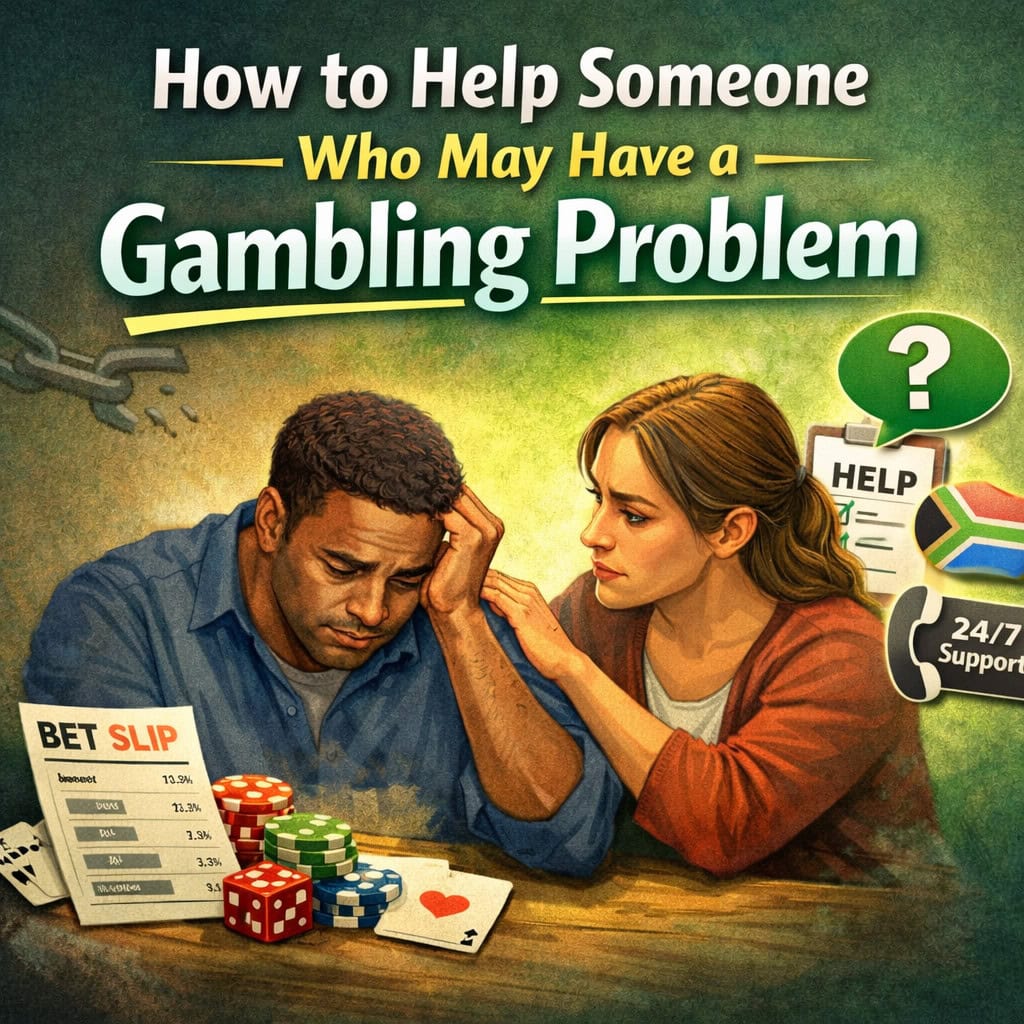
Gambling can be an enjoyable form of entertainment when it is done responsibly. Many bettors place occasional wagers on sports, lotto draws, or other forms of interactive entertainment without serious consequences. Problems start when gambling becomes difficult to control and begins affecting finances, relationships, or daily life.
If you notice that someone close to you may be struggling with gambling, it can be hard to know what to do. Friends and family often feel unsure about how to raise the issue without causing conflict. In many cases people dealing with gambling problems also try to hide their behaviour, which can make the situation more difficult to recognise.
Taking the right approach can make a meaningful difference. Speaking to someone with care and encouraging them to seek help can be the first step toward solving the problem.
The steps below explain practical ways you can respond if you think someone may have a gambling problem.
Step 1: Learn the Signs of Problem Gambling
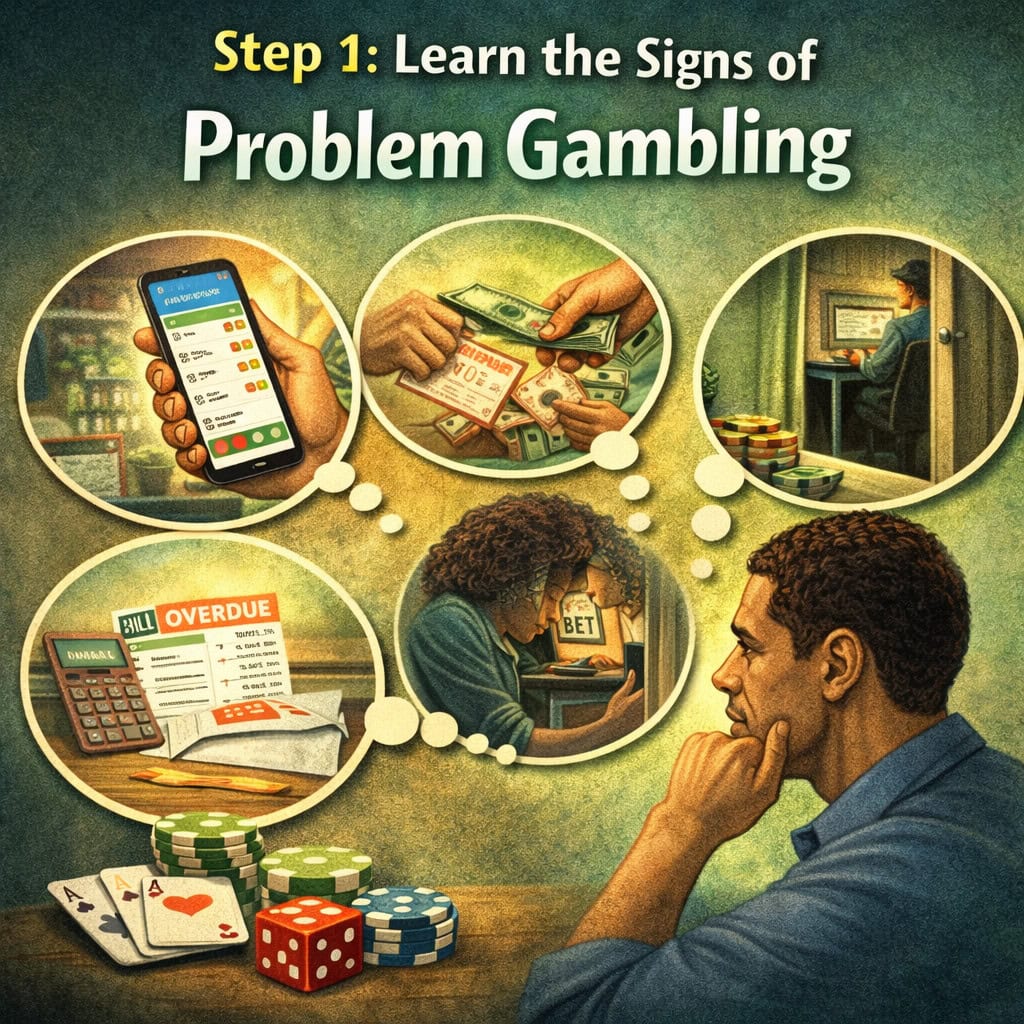
Before approaching someone, it helps to understand what problem gambling may look like. Gambling problems rarely appear overnight. Instead, the behaviour usually develops gradually and may start with small changes that become more noticeable over time.
Some common warning signs include:
• Spending more time gambling than before
• Talking about betting constantly
• Borrowing money frequently
• Struggling to pay bills or cover basic expenses
• Trying to win back money after losses
• Becoming defensive when gambling is mentioned
• Hiding betting activity from family members or partners
Seeing one sign does not automatically mean someone has a serious problem. However, repeated patterns of behaviour can indicate that gambling is becoming harmful.
Friends, partners, and family members often notice these changes earlier than the person involved. Paying attention to these patterns can help you decide when it may be appropriate to start a conversation.
Step 2: Choose the Right Moment to Talk
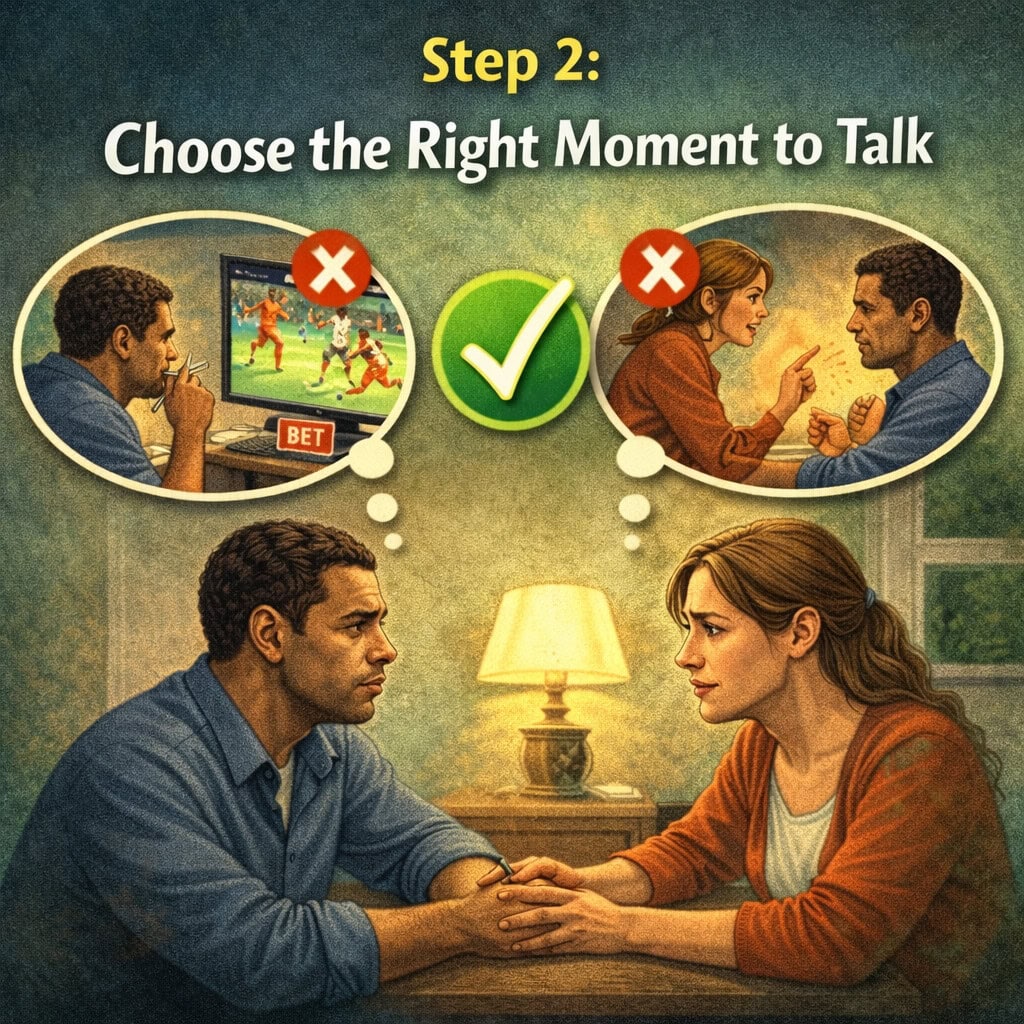
Timing plays an important role when discussing sensitive issues like gambling.
The conversation will usually go better if you choose a moment when the person is calm and not distracted. Trying to talk while someone is gambling, watching a match they have money on, or dealing with financial stress may lead to arguments rather than constructive discussion.
A better approach is to choose a quiet time when you can talk privately. This allows both of you to speak openly without pressure or embarrassment.
Avoid raising the issue in front of others or during emotional moments. If the person feels attacked or embarrassed, they may become defensive and refuse to discuss the problem.
Step 3: Speak With Concern Instead of Blame
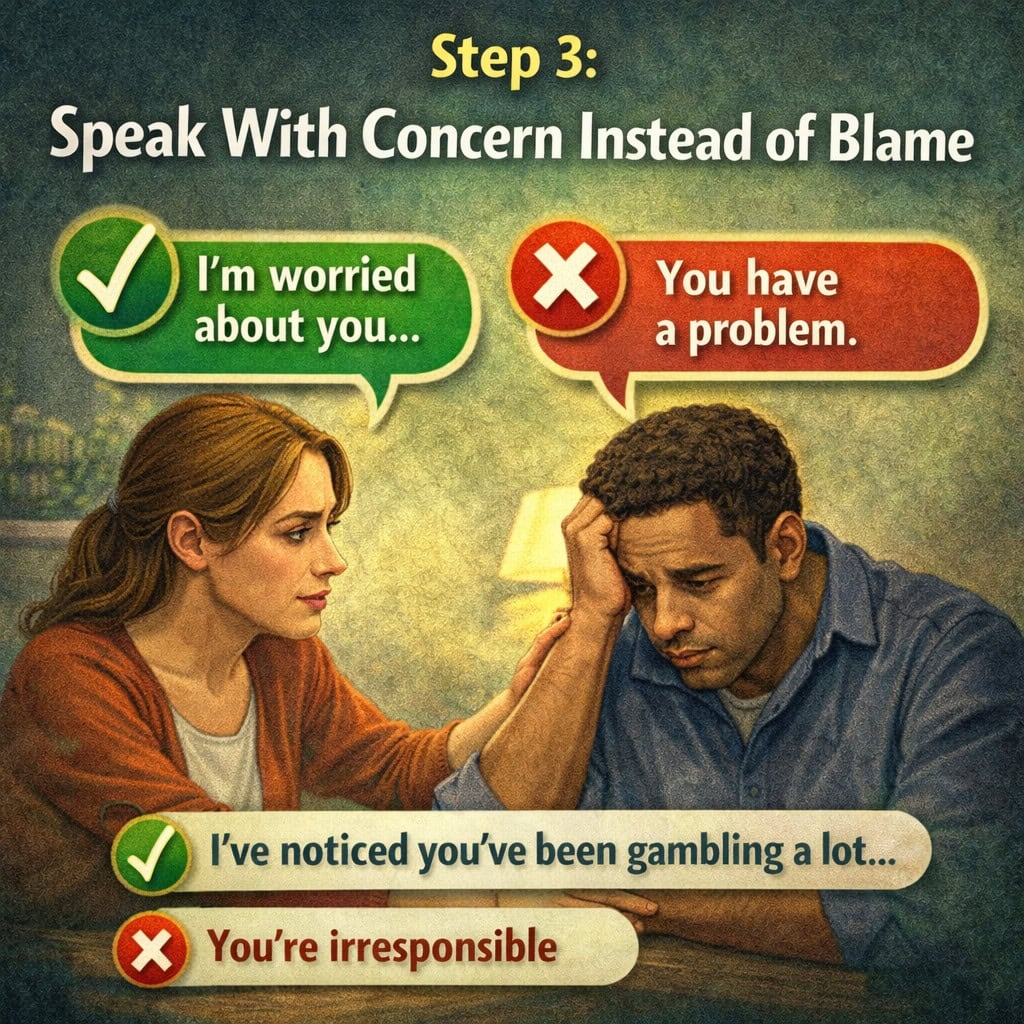
When you raise the topic, your tone matters as much as the message.
People are far more likely to listen if they feel the conversation comes from genuine concern rather than criticism. Starting the discussion by explaining that you are worried about them can help reduce tension.
Focus on specific observations rather than accusations. For example, you might mention changes you have noticed in their behaviour or express concern about the stress gambling may be causing.
Avoid statements that sound like judgement. Telling someone they are irresponsible or that they have ruined things financially may cause them to shut down emotionally.
A calm and supportive approach makes it easier for someone to consider what you are saying.
Step 4: Listen Carefully to What They Say
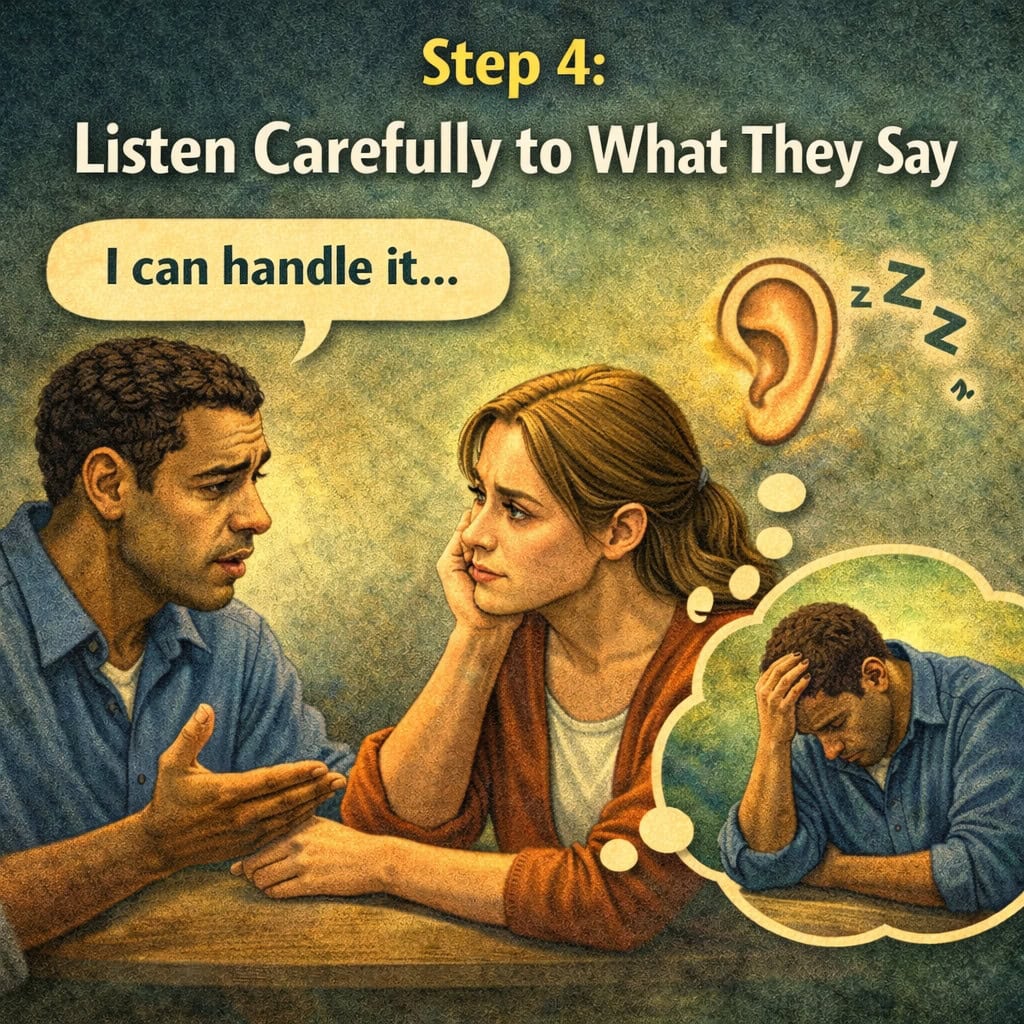
Once the conversation begins, listening is just as important as speaking.
Give the person time to explain their situation. They may admit that they are struggling, or they may say that everything is under control. In some cases they may deny there is any problem at all.
People dealing with gambling issues often feel embarrassed or ashamed, which makes it harder for them to open up. Showing patience and allowing them to talk without interruption can help build trust.
Even if they do not immediately agree with your concerns, the conversation may still encourage them to think about their behaviour later.
Step 5: Encourage Professional Help
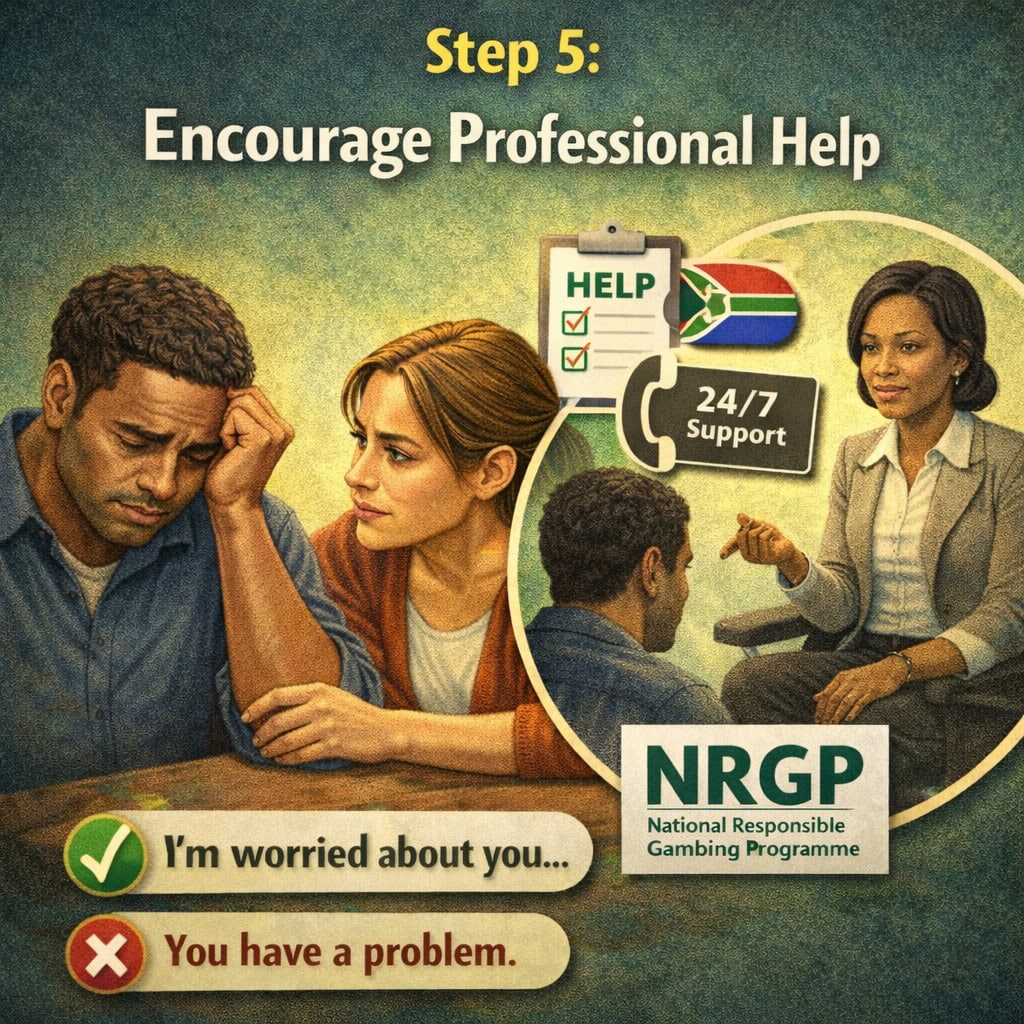
If the person acknowledges that gambling may be causing problems, encouraging professional support can be an important next step.
Many people try to handle gambling problems on their own but find it difficult to break the cycle without assistance. Professional counsellors and support organisations have experience helping people manage gambling behaviour and rebuild healthier habits.
In South Africa, the National Responsible Gambling Programme (NRGP) offers confidential support and counselling services for people affected by gambling. These services are designed to help individuals understand their behaviour and develop strategies to regain control.
Encouraging someone to speak to a professional does not mean forcing them to stop gambling immediately. Instead, it gives them access to guidance and resources that can help them make informed decisions.
Step 6: Suggest Practical Steps to Reduce Harm
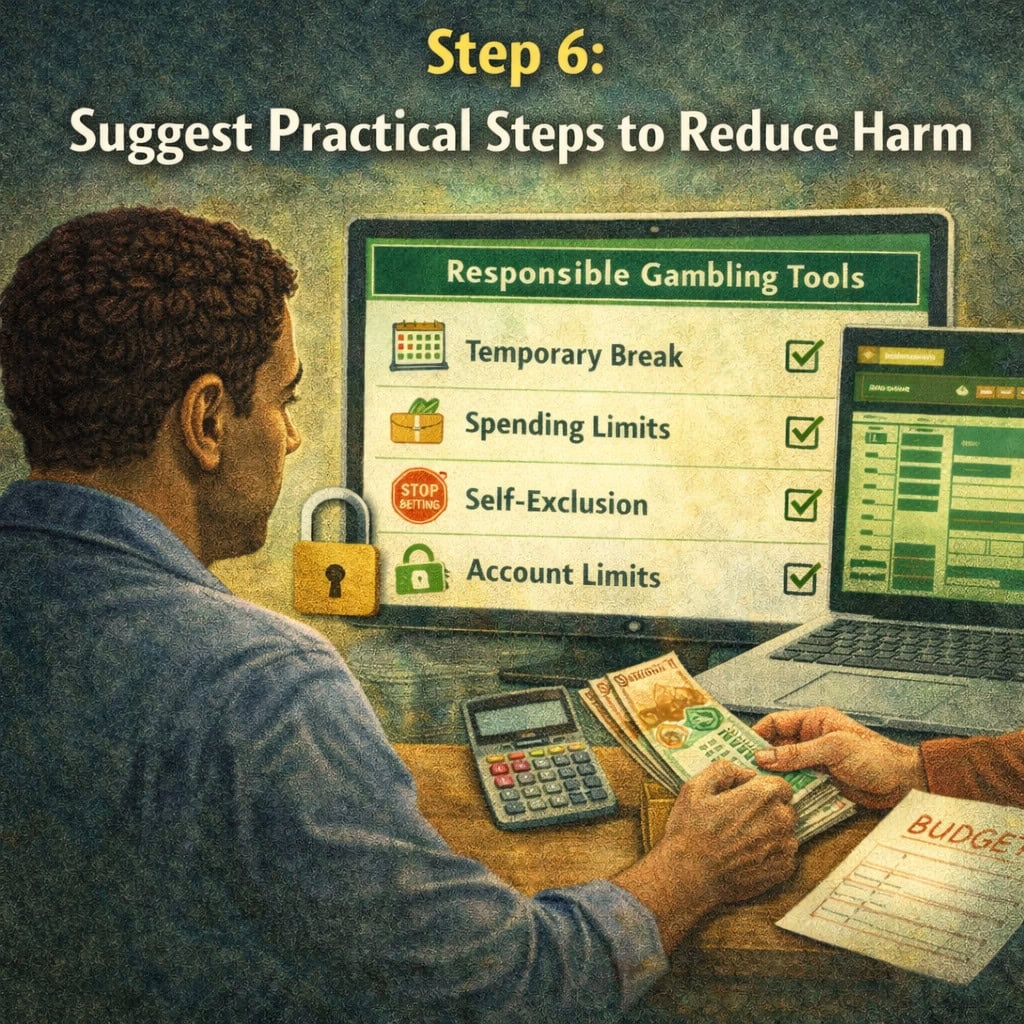
If someone is open to making changes, there are practical actions that may help reduce the impact of gambling while they seek further support.
Examples include:
• Taking a temporary break from betting
• Setting strict spending limits
• Using account limits on betting sites
• Activating self-exclusion tools offered by licensed operators
• Asking a trusted person to help manage finances
These steps can help create distance from gambling and reduce financial pressure. Many regulated betting sites in South Africa also provide responsible gambling tools that allow bettors to restrict access to their accounts if necessary.
Encouraging these measures can help someone regain control over their habits.
Step 7: Avoid Enabling the Gambling Problem
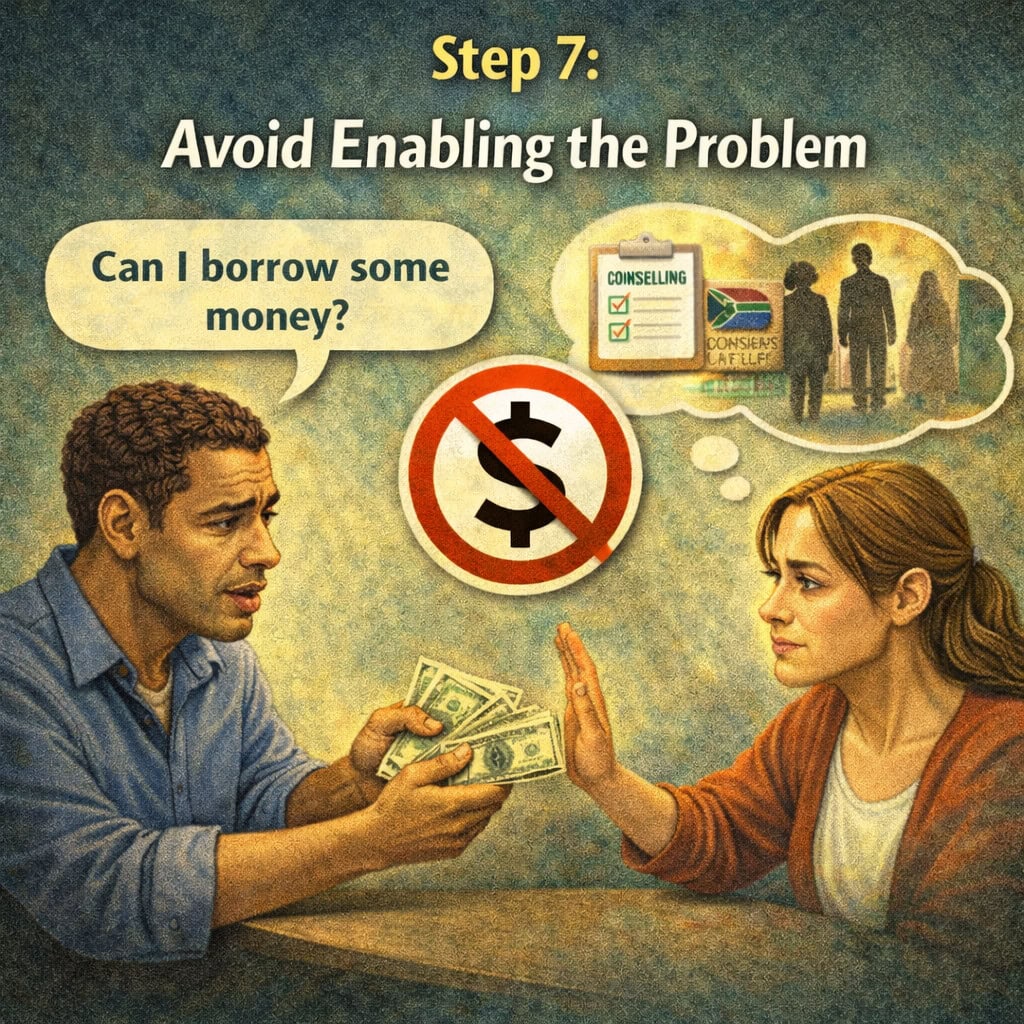
Supporting someone does not mean solving their financial problems for them.
One common mistake people make when trying to help is lending money to cover gambling losses. While this may feel like a way to relieve immediate pressure, it can unintentionally allow the behaviour to continue.
If someone repeatedly asks for money related to gambling debts, it is usually better to encourage them to seek professional help rather than providing financial assistance.
Setting clear boundaries protects both you and the person struggling with gambling.
Step 8: Be Patient and Supportive
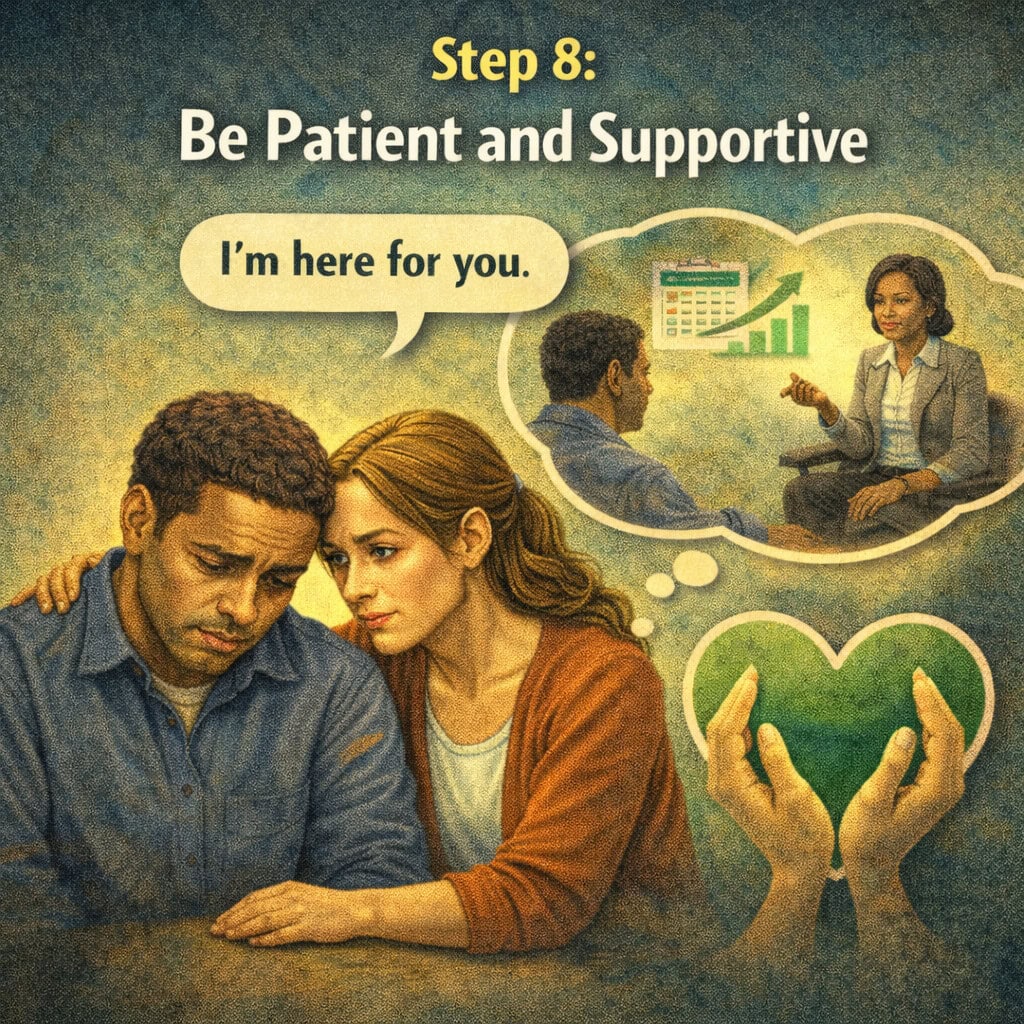
Changing gambling habits often takes time. Some people may recognise the problem quickly, while others need more time to accept that their behaviour has become harmful.
Remaining patient and supportive can help maintain trust. Even if the person does not act immediately, knowing that someone cares about their wellbeing can make a difference.
Small conversations and consistent support may eventually encourage them to seek help or make positive changes.
Tips
• Stay calm and respectful when discussing gambling behaviour
• Focus on concern rather than criticism
• Encourage professional support if the person is struggling
• Give them time to process the conversation
Warnings
• Avoid confronting someone aggressively or during an argument
• Do not lend money to cover gambling losses
• Ignoring repeated warning signs may allow the problem to grow
Final Thoughts
Recognising that someone may have a gambling problem can be uncomfortable, but ignoring the issue rarely makes it better. Raising the subject with care and encouraging the person to seek help can be an important first step.
Support from friends and family, combined with professional guidance, can help people regain control over their gambling habits and rebuild financial stability.
If you are concerned about someone, starting a conversation today may help them take the first step toward recovery.
How to help someone with a gambling problem FAQs
Clear answers on warning signs, how to talk to someone, boundaries, and when to encourage professional support.
How can I tell if someone may have a gambling problem?
When is the best time to talk to someone about a gambling problem?
What should I say to someone who may have a gambling problem?
What if they deny that there is a problem?
Should I lend money to help with gambling debts?
What practical steps can help reduce gambling harm?
Where can someone get help for gambling problems in South Africa?
How can I support someone without taking responsibility for their gambling?
HOW TO HELP SOMEONE WITH A GAMBLING PROBLEM

Understanding how to help someone with a gambling problem can make a real difference when a friend, partner, or family member begins to struggle with betting behaviour. Recognising the warning signs early helps create the opportunity for a calm and supportive conversation.
Learning how to help someone with a gambling problem also means encouraging professional support when gambling starts affecting finances, wellbeing, or relationships. Early support can help someone regain control and find the guidance they need.