What Is Responsible Gambling?
Responsible gambling means gambling in a way that stays under your control. It is when betting does not interfere with your finances, your time, your emotions, or your relationships. Gambling is treated strictly as entertainment, with clear limits on how much you spend and how long you play. When those limits are reached, you stop, regardless of the outcome.
At its core, responsible gambling starts with mindset. A responsible gambler accepts that all gambling outcomes are uncertain and that losses are a normal part of the experience. There is no guaranteed win, no system that removes risk, and no long term certainty of profit. This acceptance helps prevent chasing losses, emotional decision making, and unrealistic expectations.
Responsible Money Management
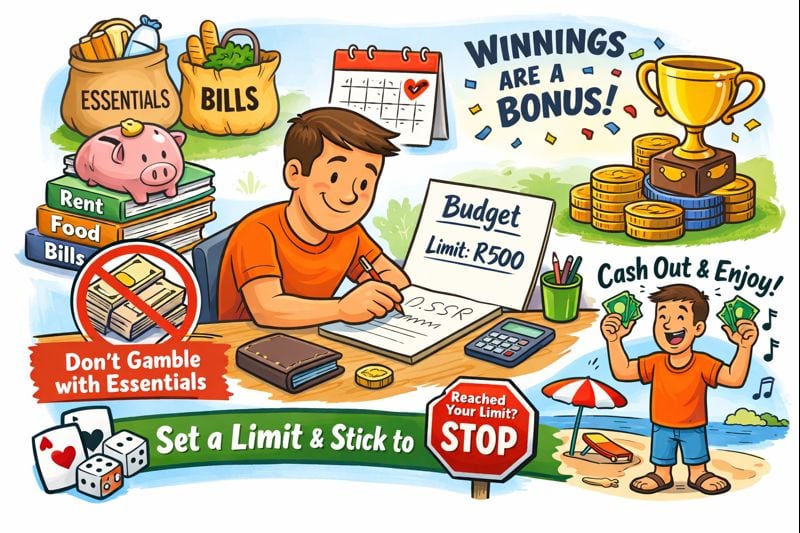
Money management is a central part of responsible gambling. This means only gambling with money that is genuinely disposable and not needed for essentials such as rent, food, transport, or family responsibilities. Responsible gambling requires setting a spending limit in advance and sticking to it regardless of wins or losses. Once that limit is reached, play stops. The same principle applies to winnings. Treating wins as a bonus rather than extra gambling capital helps maintain control and prevents escalation.
Responsible Time Control
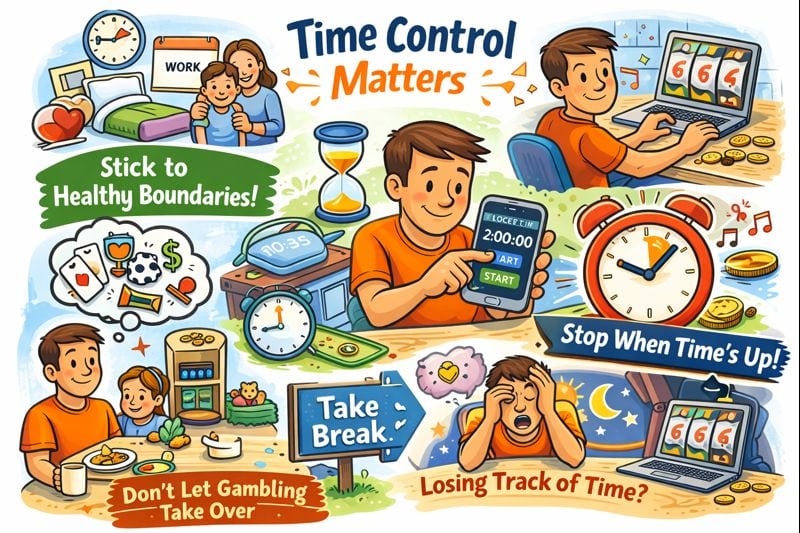
Time control is equally important. Responsible gambling involves setting boundaries around how long one spends gambling and ensuring that it does not replace work, relationships, sleep, or personal responsibilities. Gambling should fit into life, not push other areas aside. Losing track of time or prioritising gambling over commitments is often an early sign that boundaries are slipping.
Responsible Emotional Awareness
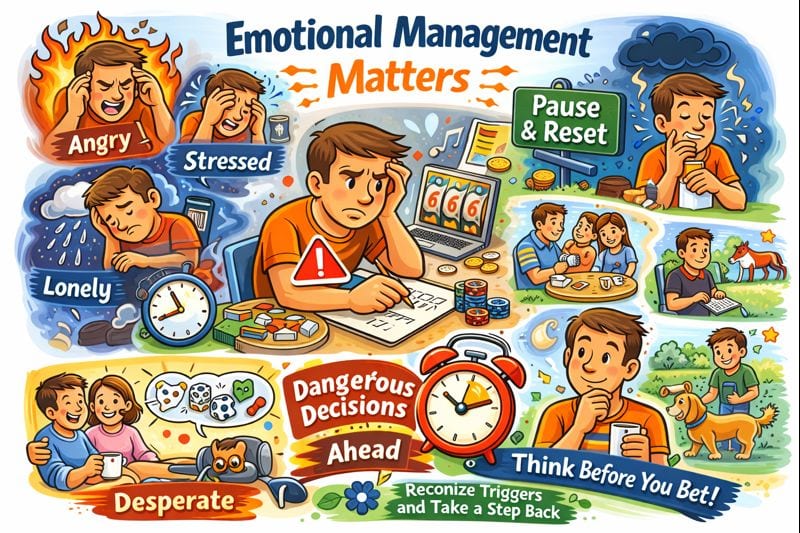
Emotional awareness plays a major role in responsible gambling. Gambling while angry, stressed, lonely, or desperate increases the risk of poor decisions. Responsible gambling means recognising emotional triggers and choosing not to gamble during vulnerable moments. Gambling should never be used as a coping mechanism for emotional pain or life pressure. When emotions drive gambling behaviour, control is weakened.
Responsible gambling also means ensuring that gambling does not negatively affect others. Gambling remains responsible only when it does not create financial strain, emotional stress, or tension within relationships. When gambling begins to impact family, friends, or dependants, it moves beyond entertainment and becomes harmful.
Honesty Matters
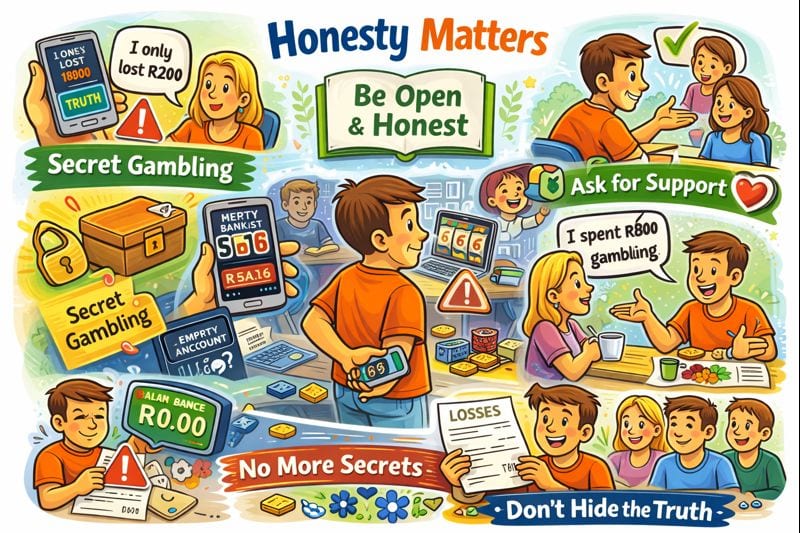
Honesty is another important element of responsible gambling. This includes being open about gambling habits, spending, and time invested. Hiding gambling activity, lying about losses, or feeling defensive when questioned are often warning signs that gambling may no longer be under control.
Responsible Gambling Helpful Tools
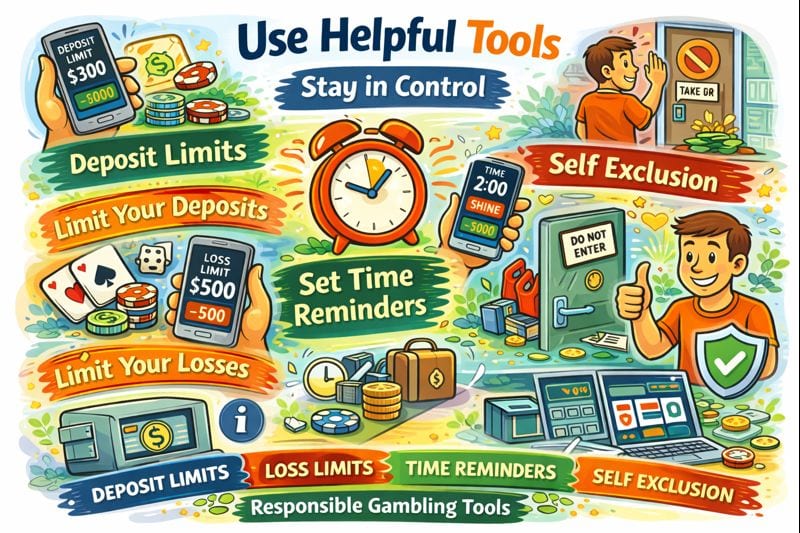
Responsible gambling also involves using available tools and safeguards. Many licensed betting sites provide features such as deposit limits, loss limits, time reminders, and self exclusion options. These tools exist to help maintain control and encourage healthier gambling habits.
Gambling Knowlege
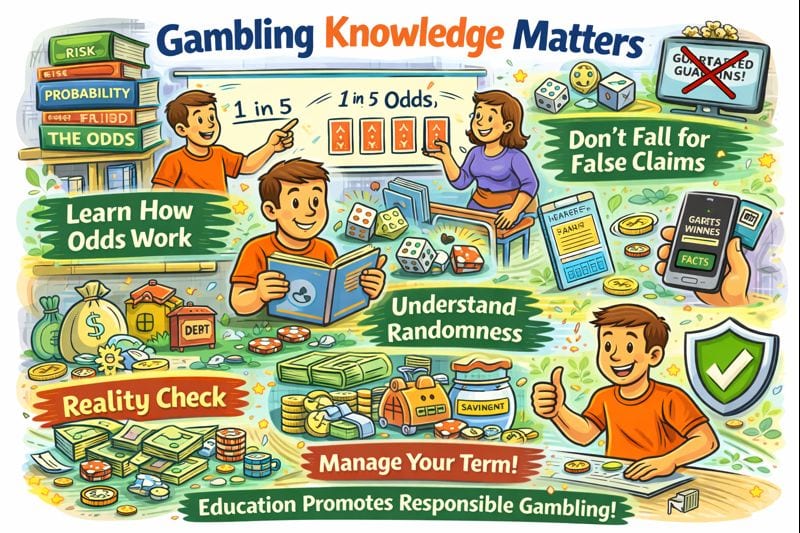
Education plays a key role in responsible gambling. Understanding how odds work, how randomness affects outcomes, and why losses are part of gambling helps reduce impulsive behaviour. Knowledge supports realistic expectations and reinforces the idea that gambling should never be relied on as a financial solution.
Conclusion
Finally, responsible gambling includes knowing when to stop or take a break. If gambling consistently leads to stress, regret, or pressure, stepping away is the responsible decision. Seeking support early can prevent long term harm and help restore balance.
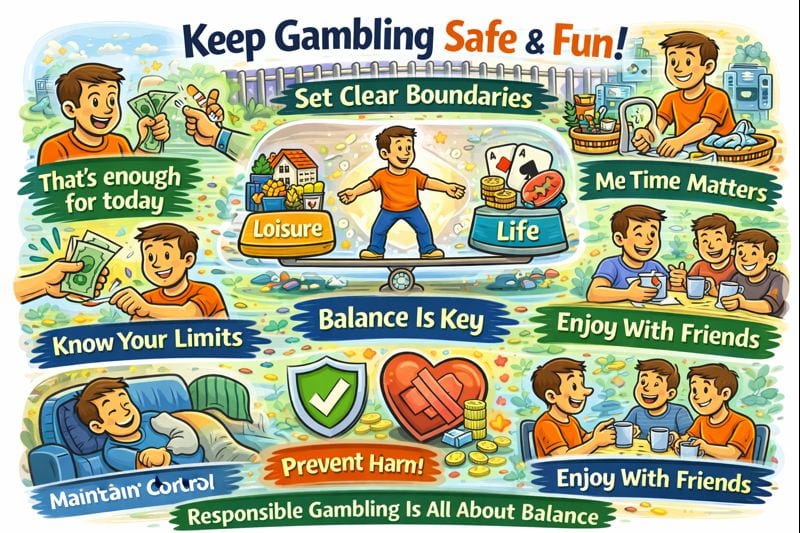
Responsible gambling is about maintaining control, protecting personal wellbeing, and ensuring that gambling remains a limited form of entertainment rather than a source of harm. When clear boundaries are respected and gambling fits comfortably within everyday life, it can be practiced responsibly.
Key Takeaway Recap
Responsible gambling stays under your control. It protects your money, your time, your wellbeing, and the people around you.
Set a money limit first
Only gamble with disposable money. If it affects essentials such as rent, food, transport, or family responsibilities, it is not responsible.
Treat winnings as a bonus
Do not turn a win into a reason to keep betting. Cashing out and stopping helps keep gambling sessions predictable.
Control your time
Set a clear start and stop time. If gambling replaces sleep, work, or relationships, boundaries are slipping.
Avoid betting on emotion
Anger, stress, loneliness, and desperation increase the risk of poor decisions. Pause and reset instead of using gambling as a coping mechanism.
Be honest about your habits
Hiding activity, downplaying losses, or becoming defensive are warning signs. Openness makes it easier to stay accountable and adjust early.
Use betting site tools
Deposit limits, loss limits, time reminders, and self-exclusion tools exist to support control. Use them before problems develop.
Understand odds and randomness
Knowing how probability works reduces impulsive behaviour and supports realistic expectations. Gambling is not a financial solution.
Keep gambling in its place
Gambling should remain a limited form of entertainment, not a source of harm. If it starts affecting daily life, it is time to step back.
Responsible gambling FAQs
Clear answers on what responsible gambling means, why it matters, and how to keep betting safe and balanced.
What is responsible gambling?
Why is responsible gambling important?
How do I know if my gambling is still controlled?
What limits should I set before I start betting?
What does “gambling should not affect others” mean?
Why is chasing losses risky?
What tools do betting sites offer to support responsible gambling?
What should I do if gambling starts feeling stressful?
Is it okay to get professional help for gambling problems?
WHAT IS RESPONSIBLE GAMBLING