7 Signs You Might Be Gambling Too Much
Gambling has become part of everyday life in South Africa. With betting sites accessible on mobile devices and the ability to place wagers at any time, participation is easier than ever. For many people, gambling remains a controlled leisure activity that stays within clear limits.
However, the move from casual betting to harmful behaviour does not usually happen overnight. It often develops gradually, without obvious warning signs at first. Small changes in spending, habits, or emotions can build up over time, making it difficult to notice when control is starting to slip.
The signs below are designed to help you recognise when gambling may be taking up too much space in your life, so you can pause, reassess, and take action before the impact becomes more serious.
Why Recognising Problem Gambling Warning Signs Early Is Important
Online and mobile betting environments are designed for convenience and constant availability. When gambling begins to influence emotions, spending habits, or decision making, it may be time to reassess your behaviour.
Identifying early warning signs allows you to take action before gambling starts to impact your finances, wellbeing, or personal relationships. Many South Africans experience these challenges quietly. If any of the situations below sound familiar, support is available.
1. Your Gambling Spending Is No Longer Under Control
A common early indicator of problematic gambling is spending more than you intended. You may plan a specific amount, then continue betting beyond that limit after a loss or during a long session.
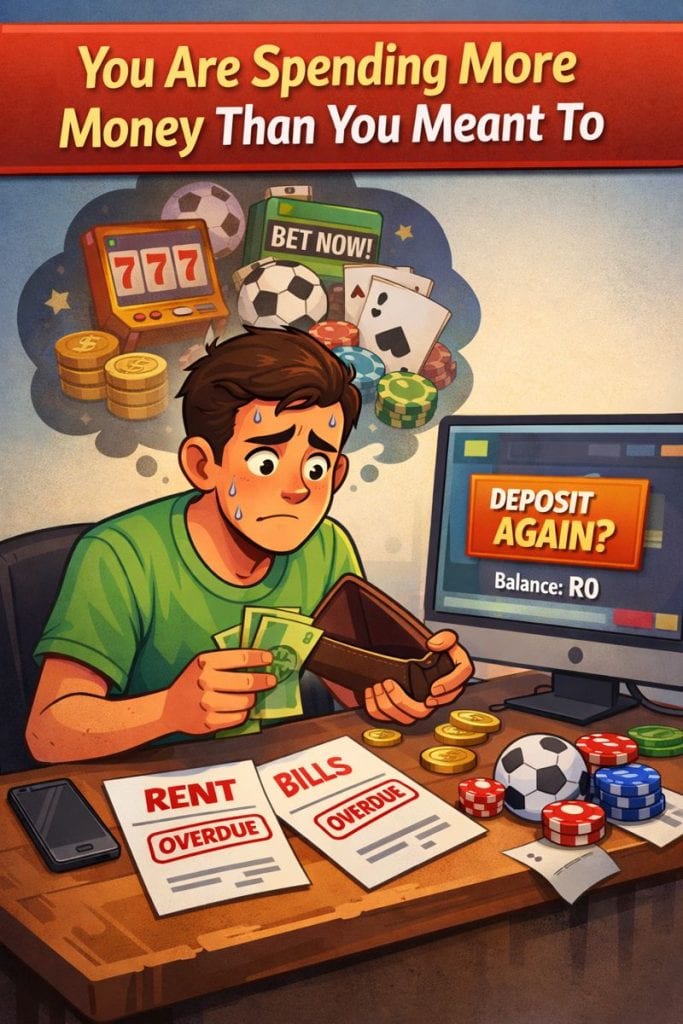
When gambling starts to interfere with money set aside for everyday needs or savings, it often creates stress and pressure that makes stopping more difficult.
2. You Feel the Need to Hide Your Gambling
Gambling in private is not automatically a concern. The warning sign appears when you start concealing your activity. This can include deleting browsing history, minimising losses when asked, or avoiding conversations about betting.
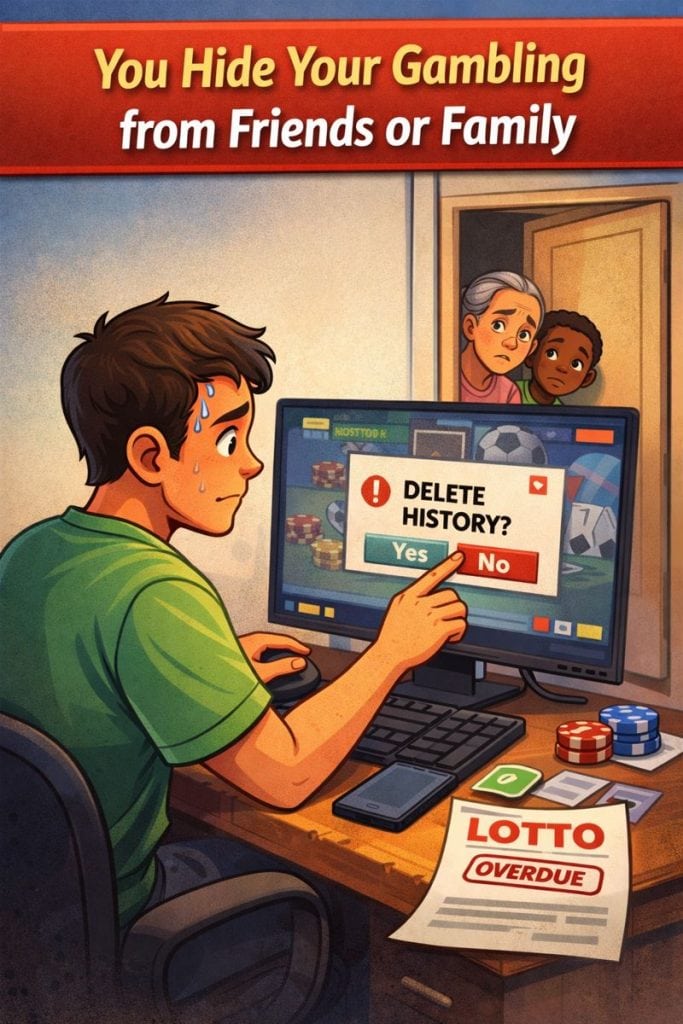
Secrecy is often linked to guilt or discomfort and may indicate that gambling is no longer fully under control.
3. Gambling Causes Anxiety or Emotional Distress
Gambling should not result in ongoing worry, regret, or emotional strain. If you regularly feel anxious or unsettled after betting, this is an important signal.
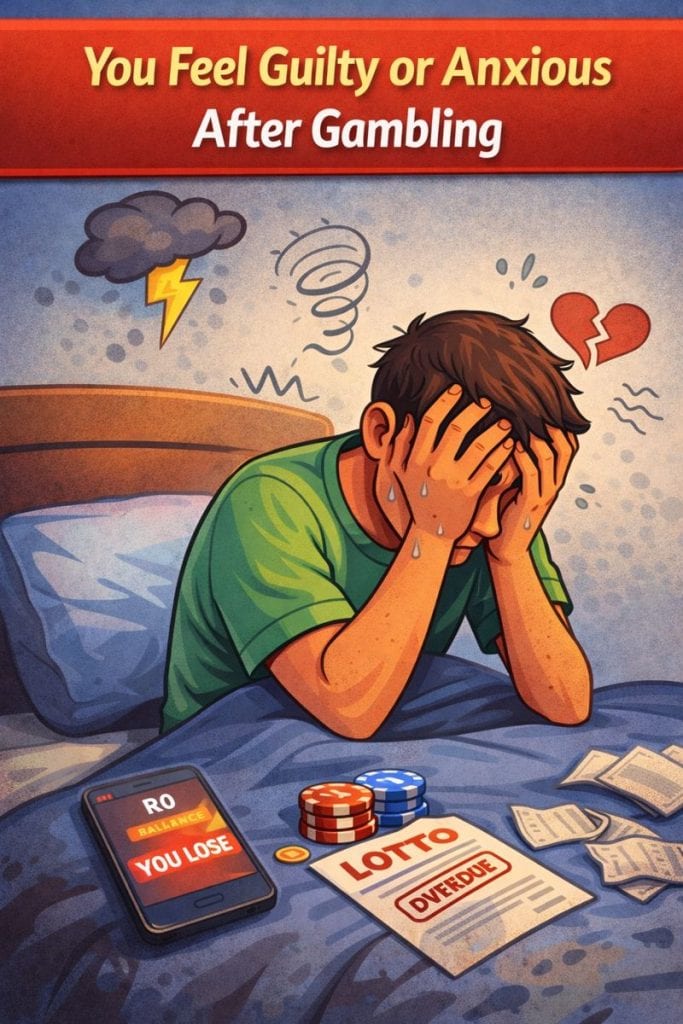
While losing bets is part of gambling, consistent emotional discomfort suggests that the activity may be having a negative effect on your mental wellbeing.
4. You Keep Trying to Recover Previous Gambling Losses
Placing additional bets to recover money that has already been lost is a well-known risk behaviour. This pattern can lead to impulsive decisions and escalating losses.
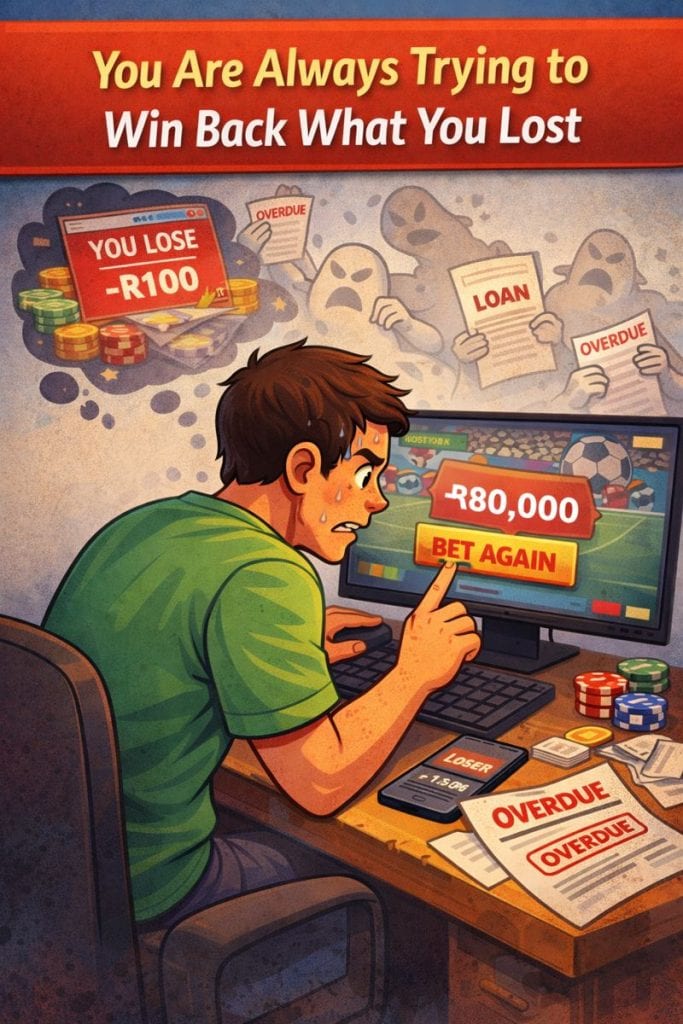
Gambling should never be treated as a way to solve financial difficulties. Loss recovery strategies often increase harm rather than reduce it.
5. You Rely on Credit or Sell Belongings to Gamble
Using borrowed money, credit facilities, or selling personal items in order to continue gambling is a serious warning sign. This behaviour indicates that gambling is placing pressure on your financial stability.
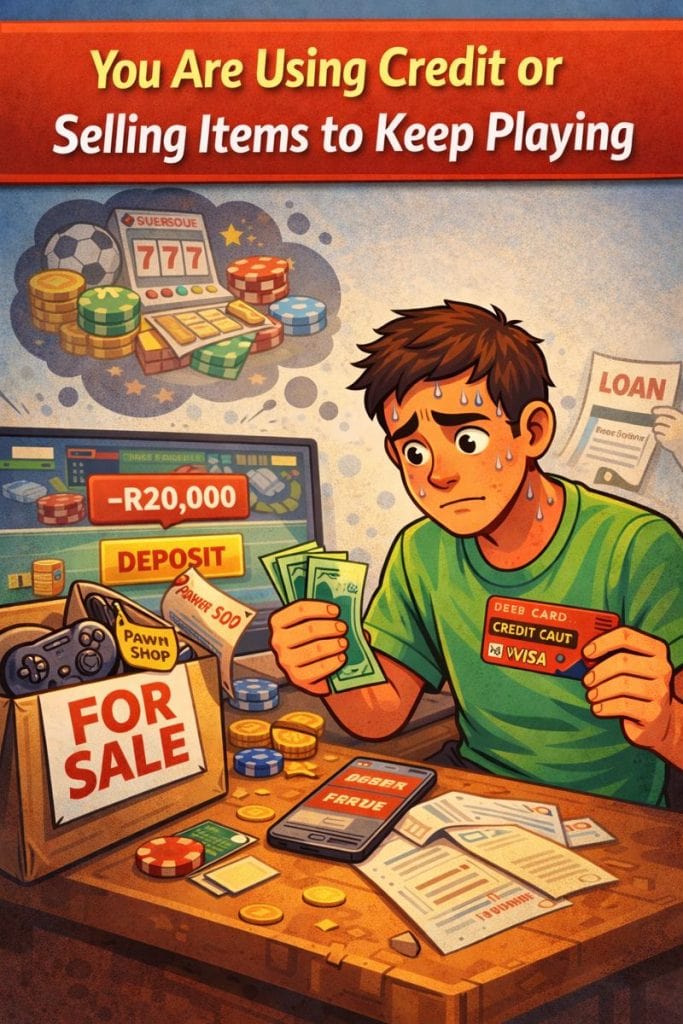
Once gambling decisions begin to involve financial risk beyond disposable income, intervention is strongly advised.
6. You Have Tried to Stop Gambling but Have Been Unsuccessful
Repeated attempts to stop or reduce gambling that do not succeed can indicate a loss of control. Setting limits but being unable to follow them is a common experience for people who need additional support.
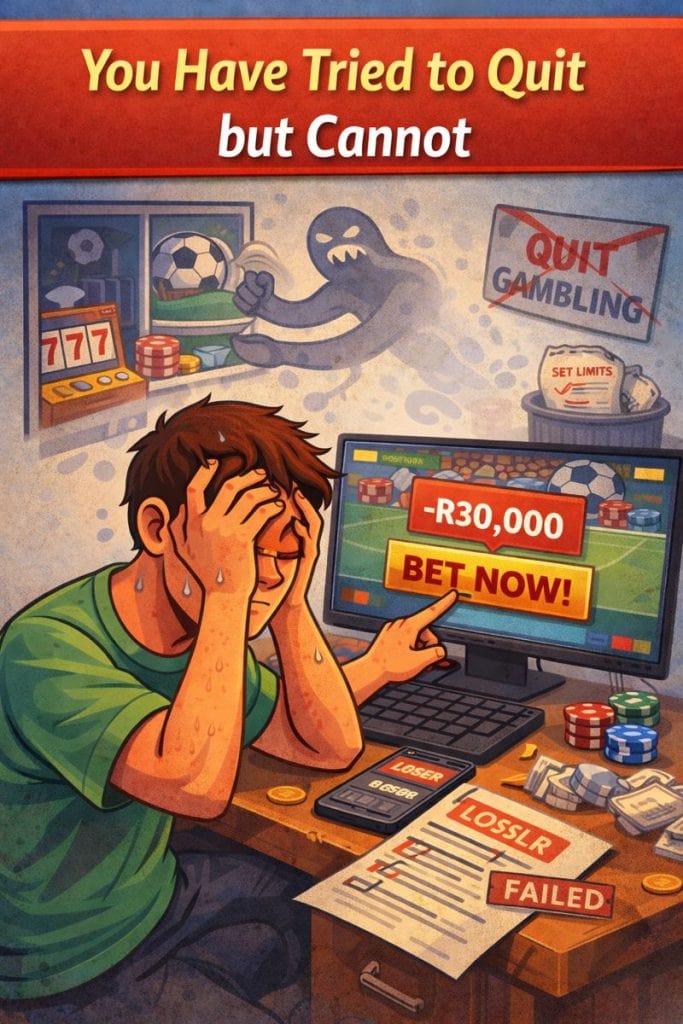
At this stage, external help can be important in breaking the pattern.
7. Gambling Is Affecting Daily Responsibilities or Relationships
When gambling starts interfering with work, studies, or personal relationships, it is no longer contained. Missed responsibilities, declining performance, or increased conflict with others are clear signs that gambling behaviour needs attention.
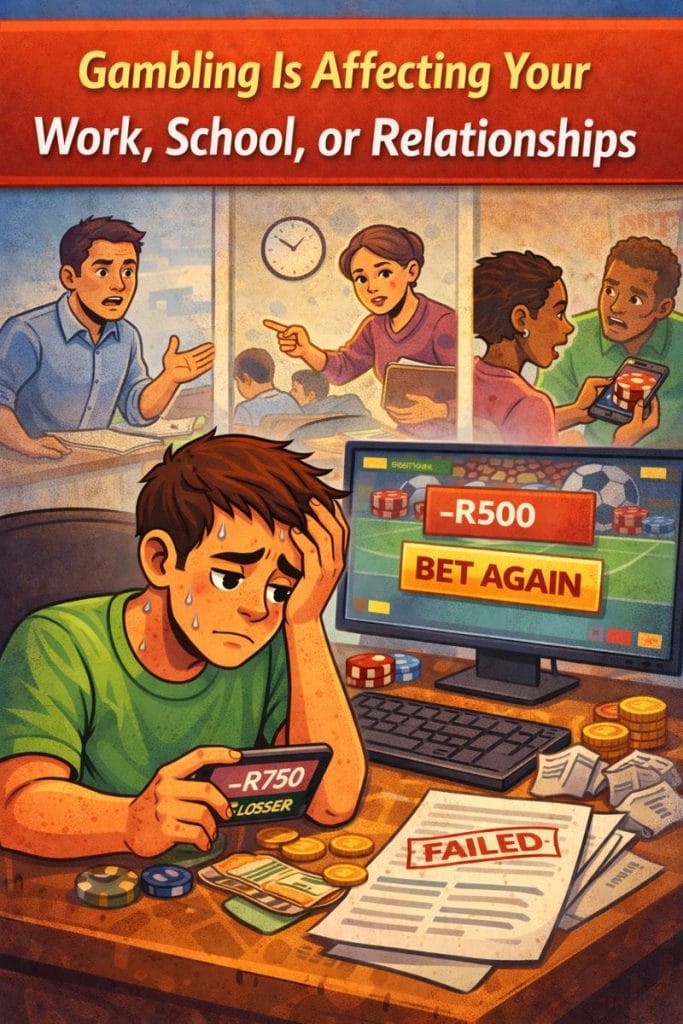
This is often the point where taking action becomes essential.
What to Do If These Problem Gambling Signs Apply to You
Recognising problematic gambling behaviour does not mean failure. It means awareness, which is the first step toward regaining control.
Taking a break from gambling can help reduce pressure and improve clarity. Many South African betting sites provide responsible gambling tools such as deposit limits, time controls, and self-exclusion options. Speaking to someone you trust can also help reduce isolation.
If the situation feels difficult to manage alone, professional support is available through South Africa’s National Responsible Gambling Foundation. Confidential assistance is available by calling 0800 006 008 or via WhatsApp on 076 675 0710. Additional information is available at responsiblegambling.org.za. All services are free and confidential.
Staying in Control of Your Gambling Going Forward
Understanding warning signs is about prevention and protection. Staying in control involves setting clear boundaries around time and spending, avoiding gambling during periods of emotional stress, using only locally licensed South African betting sites, and making use of support tools early.
Further guidance and educational resources are available through Betline’s Responsible Gambling section.
Final Statement
If you have ever questioned whether gambling is starting to take up too much space in your life, these seven signs provide a practical self-assessment. Pausing, seeking support, or changing habits is a responsible decision.
Gambling should remain a controlled leisure activity. Protecting your financial security, wellbeing, and relationships must always come first.
Maintaining control is the most important outcome.
Key takeaways
-
Spending slips past your limit
If you keep betting more than planned or dip into essential money, it is a clear warning sign.
-
You start hiding it
Deleting history, downplaying losses, or avoiding questions often signals loss of control.
-
It affects your mood
Regular guilt, anxiety, or stress after betting suggests it is no longer just casual entertainment.
-
Chasing losses becomes a habit
Trying to recover losses with more bets increases risk and can lead to bigger financial harm.
-
Credit or selling items enters the picture
Borrowing money or selling belongings to keep betting is a serious sign that help is needed.
-
Stopping feels difficult
If you have tried to quit or cut back and keep returning, support can help break the cycle.
Short summary: If gambling is affecting your spending, emotions, or daily life, take it seriously. Use limits and time controls where possible, step away when needed, and reach out for confidential support if you are struggling.
Gambling warning signs FAQs
Straight answers on the most common signs that gambling may be getting out of control and what steps can help.
How do I know if I am gambling too much?
Is spending more than planned a serious warning sign?
Why do people hide gambling from friends or family?
What does chasing losses mean, and why is it risky?
Is using credit or borrowing money to gamble a red flag?
What if I keep trying to stop but I cannot?
What should I do if gambling is affecting my work or relationships?
Where can I get confidential help in South Africa?
SIGNS YOU MIGHT BE GAMBLING TOO MUCH