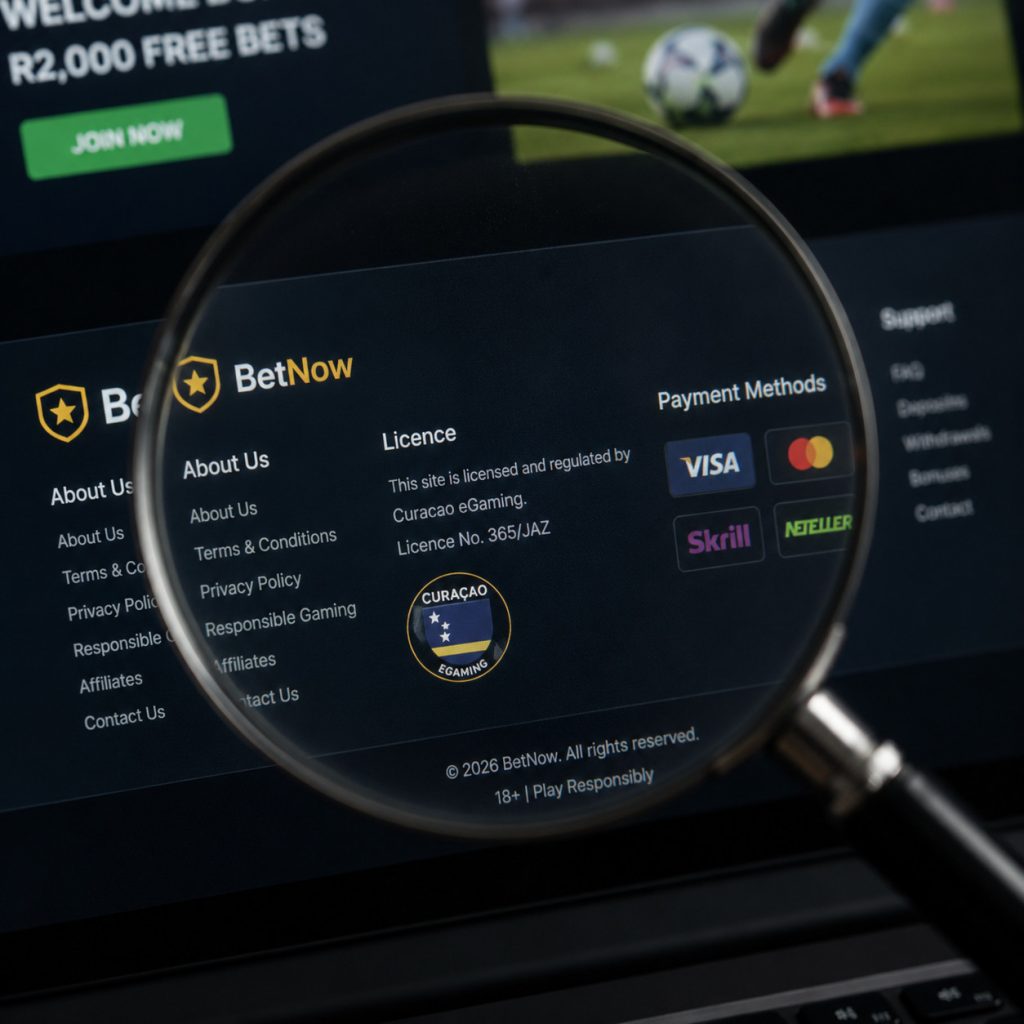
NGB Offshore Betting Warning
The headline figure is R3 075 000. That is the amount forfeited to the State, by order of the High Court, between 1 April 2025 and 10 April 2026 because the winnings were derived from unlawful gambling activities.

The headline figure is R3 075 000. That is the amount forfeited to the State, by order of the High Court, between 1 April 2025 and 10 April 2026 because the winnings were derived from unlawful gambling activities.
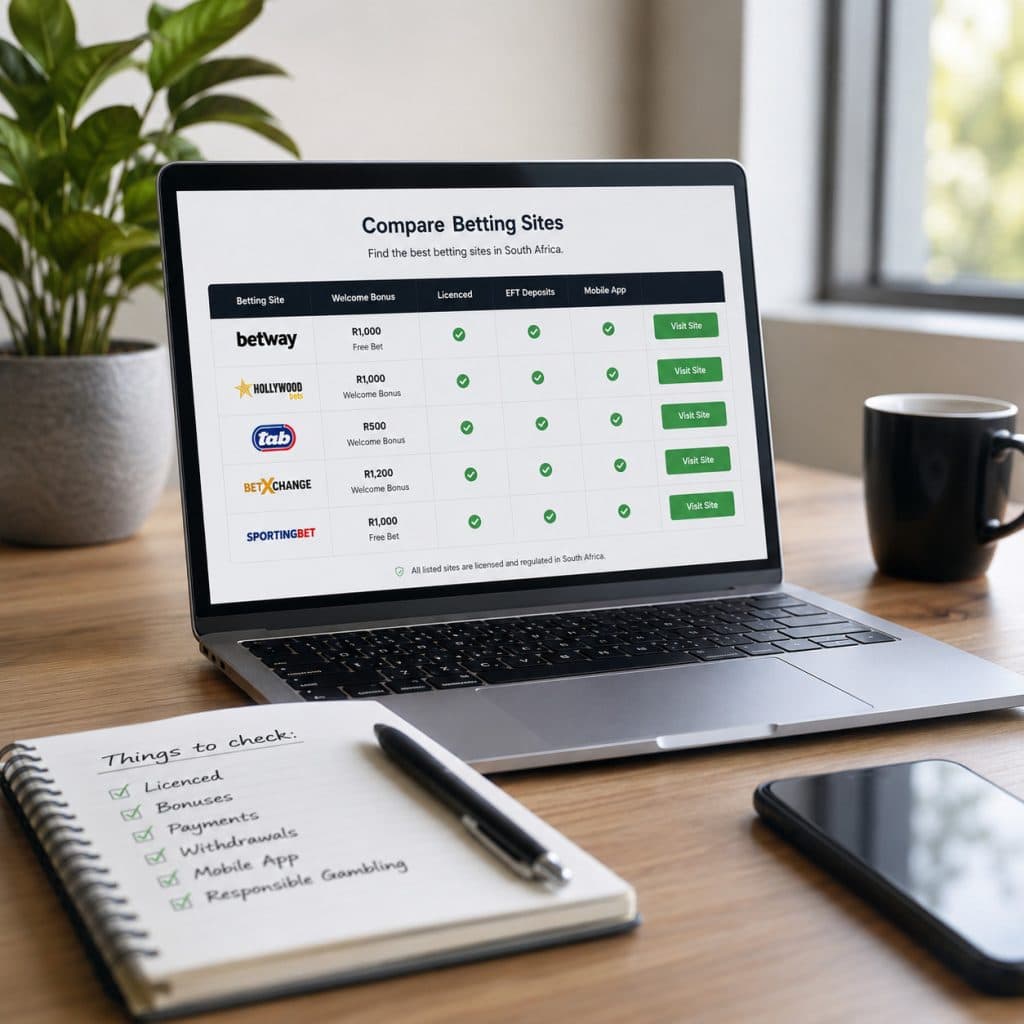
This guide explains how to compare betting sites in South Africa safely and responsibly. It covers licensing, bonuses, payment methods, withdrawals, mobile betting, and the key factors bettors should review before registering with a locally licensed operator.

Gambling is marketed in a way that suggests wealth is one bet away. Big-win advertising, jackpot headlines, and social media posts showing winning bet slips all reinforce the same idea, that the next stake could change your life.
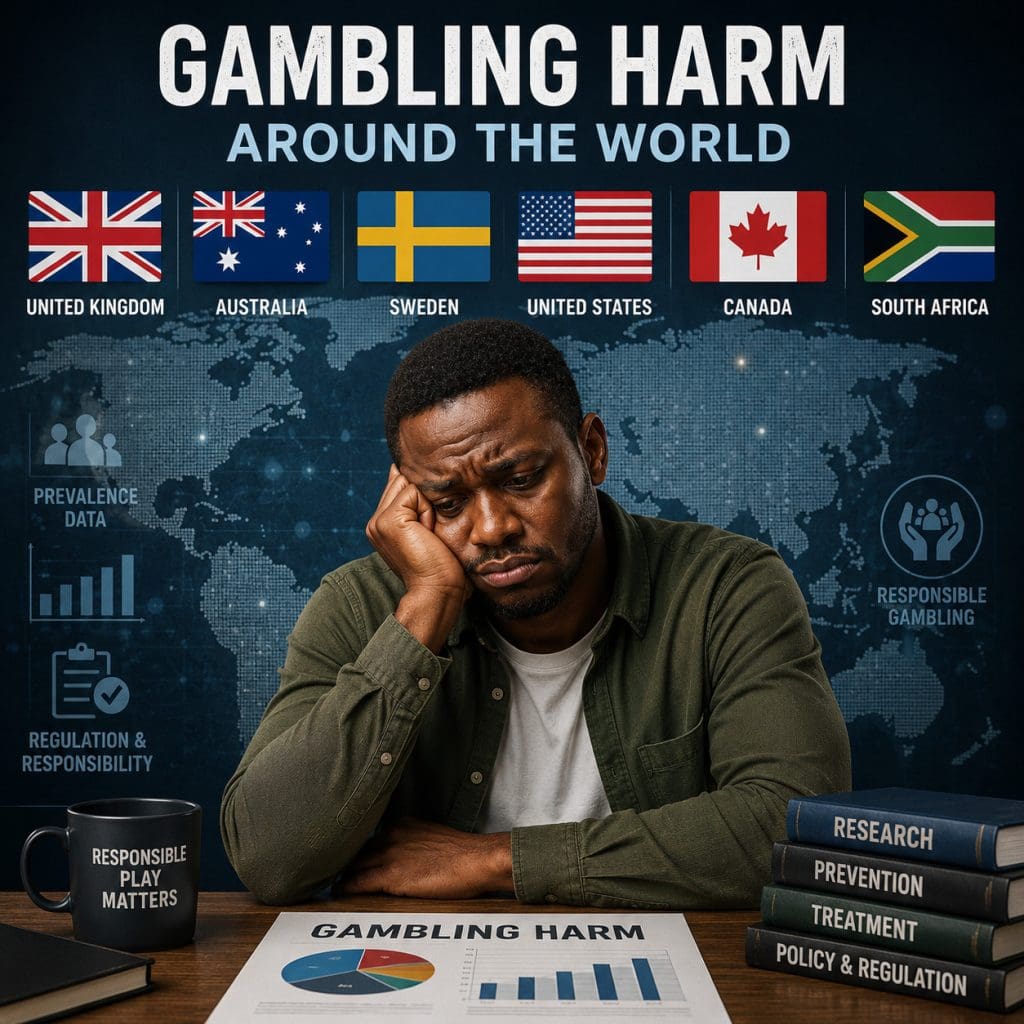
Problem gambling exists in every country with a developed gambling market. It is not unique to South Africa. The United Kingdom, Australia, Sweden, the United States, Canada and many other countries have all identified gambling harm as a public health issue, and each one has built its own regulatory and treatment response over time.
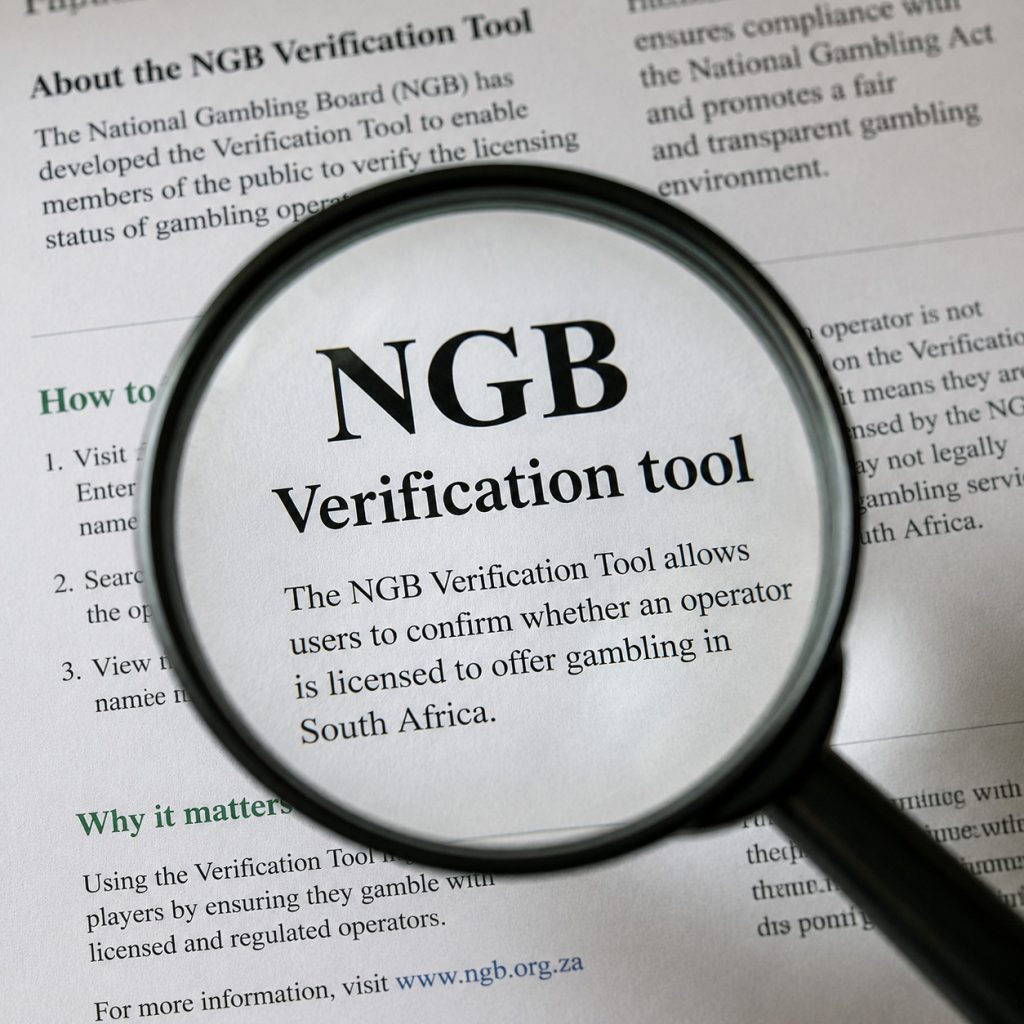
The National Gambling Board has issued a public response to concerns raised about its Verified Gambling Operators web portal, the central register intended to help South Africans confirm whether a betting site or land-based operator holds a valid local licence.
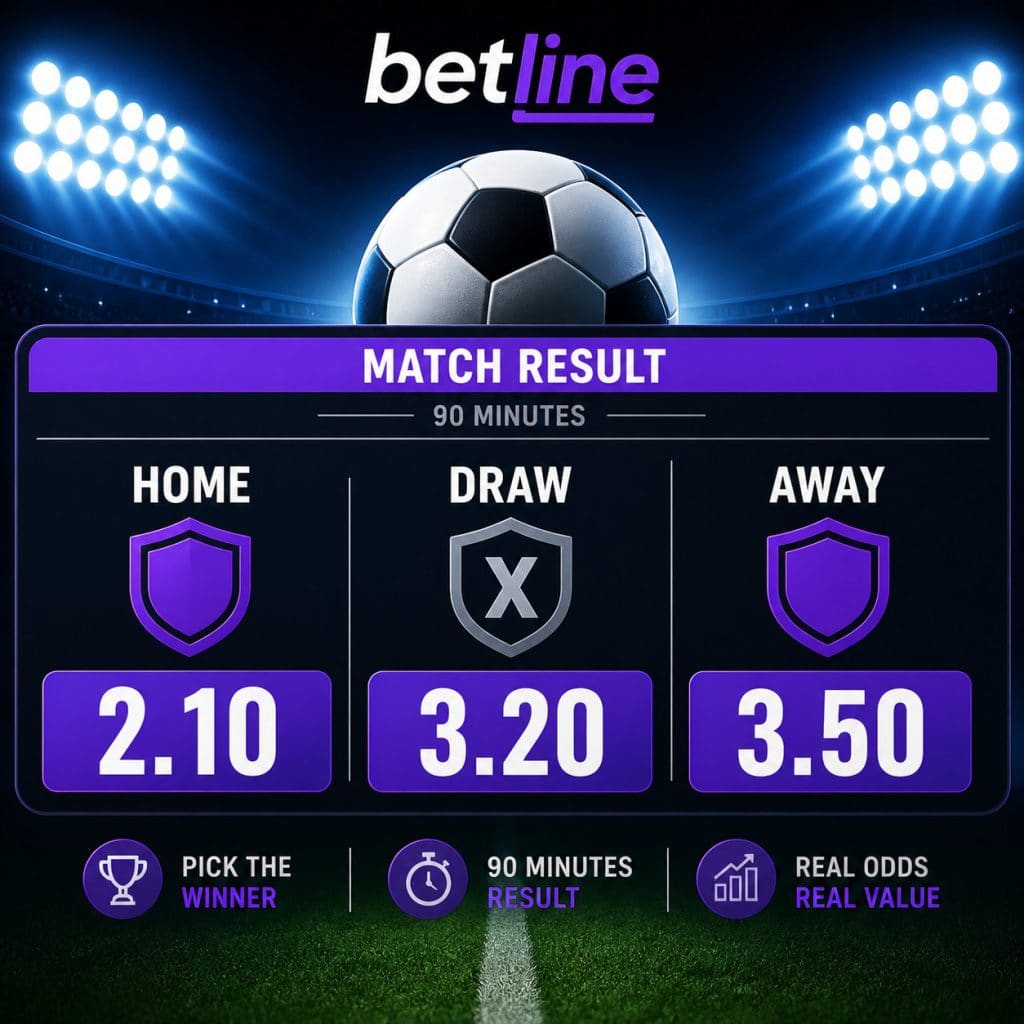
Open any South African betting site and the first thing you see is a wall of numbers. 2.10 next to one team, 3.50 next to another, a 3.20 floating in the middle. Those numbers are bet lines, and once you can read them, sports betting stops feeling like guesswork and starts feeling like a decision.
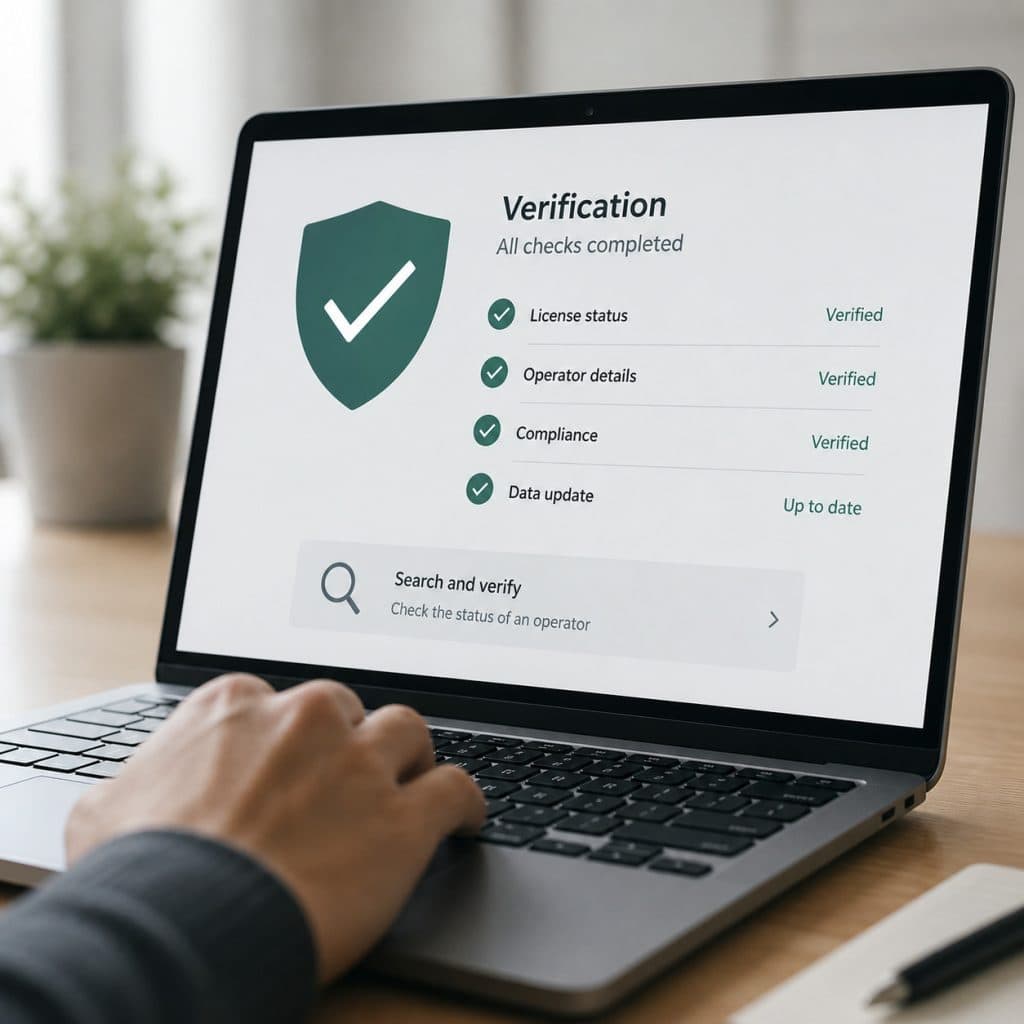
The National Gambling Board recently launched a new web portal listing locally licensed gambling operator in South Africa. The tool is available at on the National Gambling Board website and gives the public a single, central reference point for confirming whether a betting site holds a valid local licence.
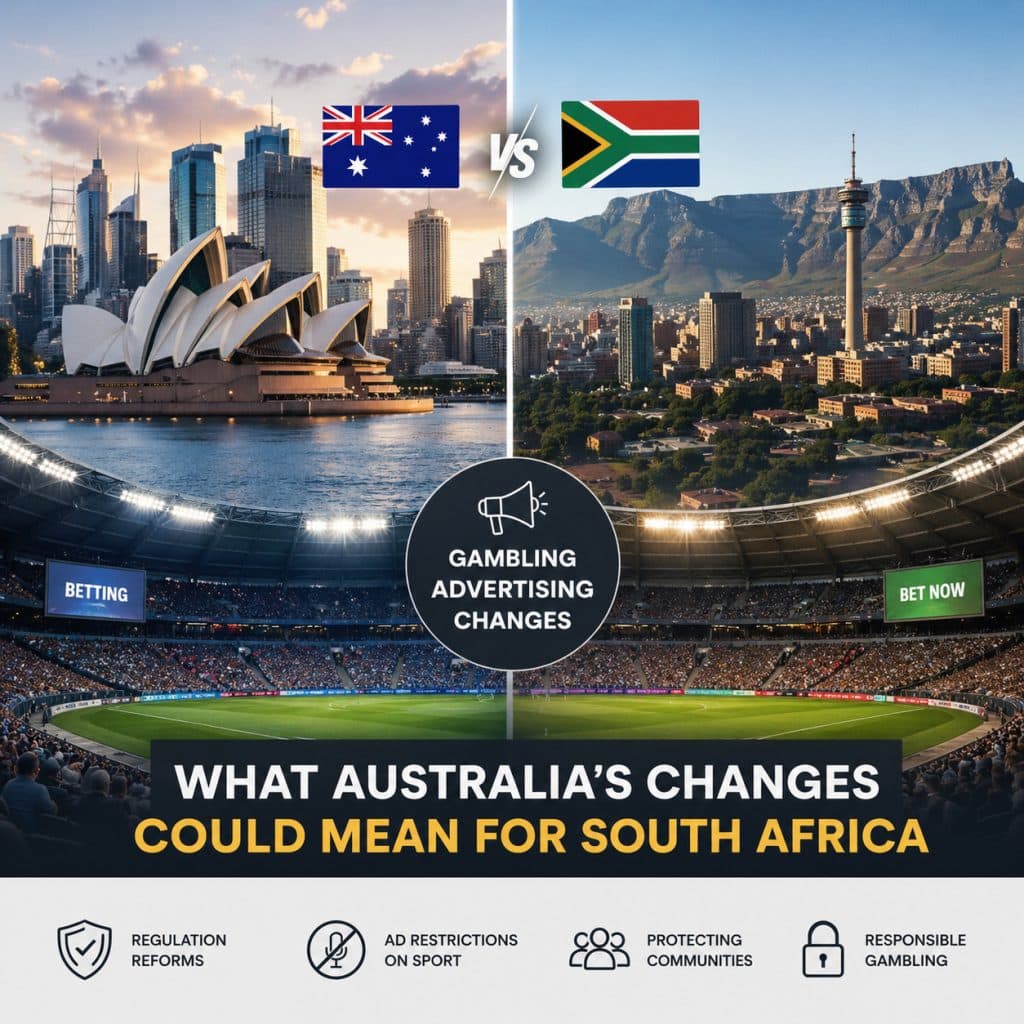
In April 2026, the Australian government announced a significant update to its gambling advertising standards. Television caps, a blackout during live sport, adjustments to radio scheduling around school hours, and changes to the use of sports stars and celebrities in betting promotions are all part of the package, with rollout set for 1 January 2027.
Every bet placed at a licensed betting site in South Africa feeds into a regulated system that supports public services, community projects, and responsible gambling programmes.
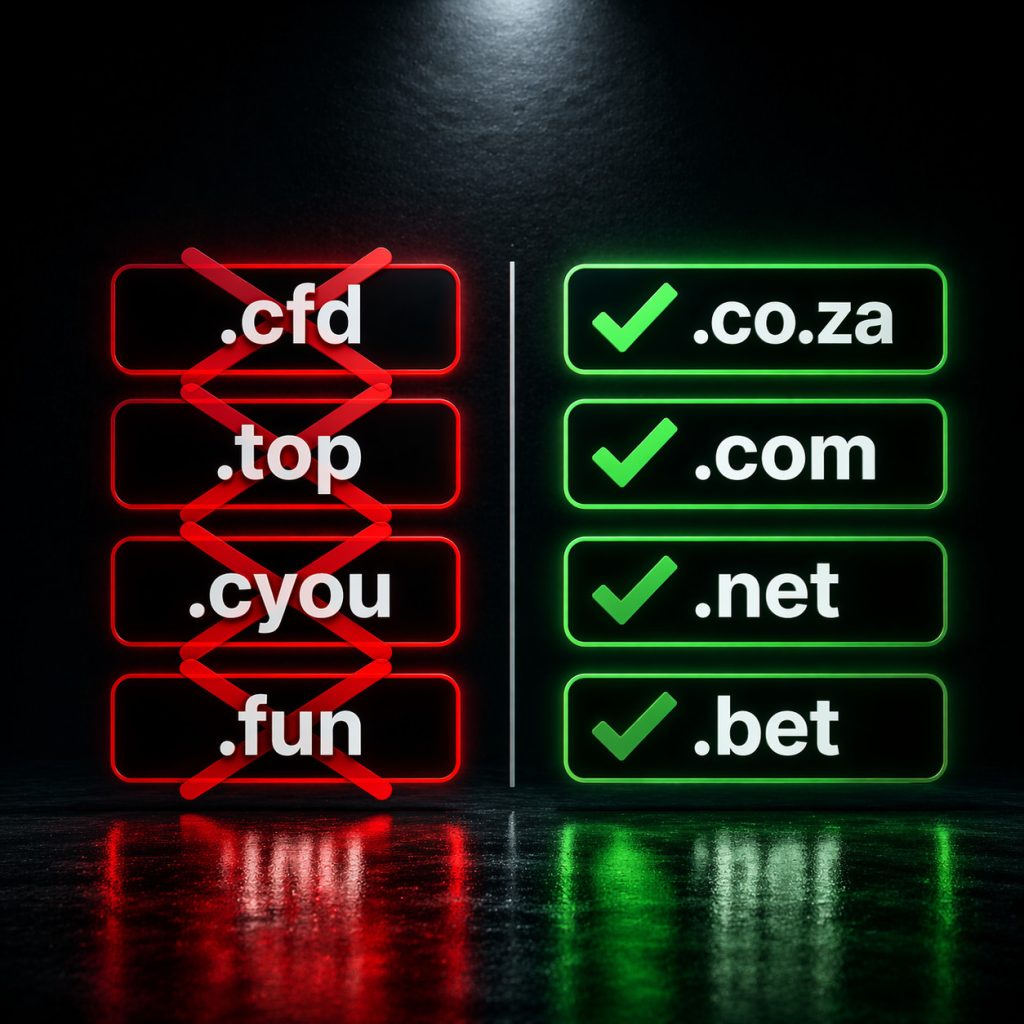
Fake betting sites in South Africa are becoming more common, and this type of scam is not an isolated case. Betting site scams in South Africa follow a pattern that has cost bettors thousands of rands, and they continue to catch people because the fake sites look convincing enough to pass a quick glance.