
What Australia’s Gambling Ad Changes Could Mean for South Africa
In April 2026, the Australian government announced a significant update to its gambling advertising standards. Television caps, a blackout during live sport, adjustments to radio scheduling around school hours, and changes to the use of sports stars and celebrities in betting promotions are all part of the package, with rollout set for 1 January 2027.
South Africa has no confirmed plan to copy Australia’s reforms. This article looks at global trends and how similar discussions could develop locally over time.
Betting advertising is also visible in South Africa. Soccer kit sponsorships, stadium signage, online promotions, and influencer marketing have grown alongside the expansion of mobile betting. The reasonable question to ask is what Australia’s direction could mean for the South African market and other countries.
This is analysis, not prediction. The aim is to set out what Australia is doing, how visible betting marketing already is locally, and where the local conversation might go.
What Australia Is Actually Doing
Australia’s reforms were announced by Prime Minister Anthony Albanese on 2 April 2026, almost three years after a parliamentary inquiry chaired by the late Peta Murphy reviewed online gambling advertising. The government opted for a partial package rather than a full advertising ban.
According to the official announcement from the Office of the Prime Minister, the reforms include:
- A cap of three gambling advertisements per hour on broadcast television between 6:00 am and 8:30 pm
- A pause on gambling advertising during live sport broadcasts within those hours
- Adjustments to radio gambling ads during school drop-off and pick-up times (8 to 9 am and 3 to 4 pm)
- Updated rules for online gambling ads, limited to logged-in users over 18 who have not opted out
- New restrictions on the use of celebrities and professional athletes in gambling promotions
- Changes to odds-style advertising
- Updated rules on gambling advertising at sports venues and on players’ and officials’ uniforms
The reforms are paired with stronger oversight of offshore operators, updates to emerging online lottery products, expanded financial counselling, and further work on BetStop, the country’s national self-exclusion register.
The Parliament of Australia’s policy brief on gambling advertising notes that gambling and gaming advertising spend in Australia reached an estimated AUD 187.75 million in 2024. The brief also notes that prior code changes in 2018 reduced advertising during restricted hours, but shifted spend to other times of day.
The reforms are a clear regulatory step. They are also a compromise. They stop short of the full ban discussed in the Murphy inquiry.
How Visible Are Gambling Ads in South Africa?
Anyone watching Premier Soccer League matches, browsing local sports content, or scrolling social media in South Africa will recognise the pattern. Betting brands appear in the following places:
- Soccer team kit sponsorships and shirt branding
- Stadium signage and pitch-side advertising
- Television commercials around live sports broadcasts
- Online display ads and search ads
- Bonus and promotional offers across betting sites
- Influencer and social media content featuring betting brands
- Direct marketing through SMS and email
Competition between licensed South African betting sites is high. Marketing investment has scaled up alongside that competition. The visibility is not unique to South Africa, but the pace of growth has been notable. Total amounts wagered through licensed operators crossed R1.5 trillion in the 2023/24 financial year, with betting accounting for the majority of gross gambling revenue.
The advertising landscape sits within an existing legal framework. Section 15 of the National Gambling Act, 2004 already sets standards on misleading advertising, advertising aimed at minors, and inducements presented as “free” gambling. Regulation 3 of the National Gambling Regulations adds further detail on content and placement near schools and youth-focused venues. The Advertising Regulatory Board also enforces content standards through its codes.
So the rules are not absent. The conversation is more about how the framework keeps pace with a fast-growing market.
Why South Africa Could Look at Updated Standards
There are factors that could shape the local conversation in the coming years. None of them point to imminent change, but they are worth recognising.
Youth Exposure
Smartphone penetration is high. Social media use is high. When betting marketing reaches younger audiences during sports broadcasts or on social platforms, it raises the same exposure concerns that featured in the Australian discussion. Regulators globally have looked at children’s exposure to gambling marketing as a key area of focus.
Responsible Gambling Discussion
Civil society groups, faith-based organisations, and political parties have engaged more actively in the conversation about gambling-related social impact in South Africa. Public commentary from senior business leaders has also raised consumer welfare questions, particularly relating to lower-income households.
Policy Activity
The National Gambling Board has directed Provincial Licensing Authorities to step up monitoring of advertising under existing rules. The Department of Trade, Industry and Competition has indicated it intends to publish norms, standards, and updated gambling advertising regulations. The DA’s Remote Gambling Bill has also raised the question of advertising time scheduling. Policy activity is real, even if it is spread across multiple processes.
Offshore Operators
Unlicensed offshore operators that target South African bettors create complications for the licensed market. Where those sites are seen to be advertising to local audiences, the policy conversation often turns to broader advertising standards rather than narrower fixes.
Why South Africa May Not Move Quickly
There are equally real reasons to be cautious about predicting fast change.
Provincial gambling taxes and levies are a meaningful revenue stream for both national and provincial budgets. Licensed operators contribute to sport sponsorship at multiple levels. Jobs across advertising, telecommunications, and information technology are linked to the broader betting ecosystem.
Licensed betting sites also contribute through taxes, employment, sports sponsorships, and consumer choice within a regulated market. Any future policy changes would likely need to balance these economic benefits with responsible advertising goals.
The regulatory structure is also distributed. Licensing sits with provincial authorities. Coordination happens through the National Gambling Policy Council. The National Gambling Amendment Bill 2018 has been in parliamentary mediation, and a new comprehensive bill is still in development. New national rules on advertising would likely require coordinated action between national and provincial authorities, amendments to the National Gambling Act, or new norms and standards published by the dtic.
There is also a credible view that existing rules should be applied consistently before new ones are written. Section 15 of the NGA already addresses misleading and inducement-based advertising. The recent NGB directive to PLAs suggests that consistent enforcement, rather than new legislation, is the immediate focus.
An Australian-style update is not impossible. It is also not imminent.
What It Could Mean for Bettors
If South Africa updated its gambling advertising standards, the practical effects for bettors could include:
- A different mix of bonus and promotional advertising in mainstream broadcast slots
- Adjusted visibility of betting brands during live soccer matches
- More prominent responsible gambling messaging across marketing
- Refined age-gating on online platforms
- Updated standards for influencer and social media promotions
- A tougher environment for unlicensed offshore sites
- Continued value placed on independent comparison and information sites
For everyday bettors, the immediate effect would be a different advertising experience around sport, not a change in access to licensed operators.
What It Could Mean for Betting Sites
If advertising rules evolve, betting sites may place greater focus on customer retention, service quality, brand trust, and efficient digital marketing. Sponsorship strategies would also be reviewed in line with new standards.
For affiliates and comparison platforms, positioning would shape the effect. Trust-based, information-led platforms that help bettors make informed choices would likely continue to play an important role for both users and operators.
This mirrors part of the Australian discussion. The Parliament of Australia’s policy brief notes that broadcasters and sports bodies have raised concerns about revenue impact, while marketing and public policy experts have offered different views on the scale of that impact. International examples suggest that markets tend to adjust over time.
Betline’s Position
Betline supports informed choices, transparency, and awareness of legal South African betting options. Whatever direction local advertising standards take, the editorial focus remains the same: helping South African bettors compare verified, licensed sites and make informed decisions.
The Outlook
South Africa is not Australia. Different regulatory structures, different political environments, different market dynamics. A direct copy of the Australian reforms is unlikely, and no national change to betting advertising rules is currently confirmed.
Global regulatory trends still matter. The Australian package is the latest in a series of updates that have reshaped gambling advertising standards in Italy, the United Kingdom, the Netherlands, Belgium, and Spain. South African regulators have already signalled that advertising oversight is on the agenda, and policy discussion has been active since 2025.
Advertising standards may continue to be discussed as the South African betting market grows and matures. Bettors, operators, and the wider industry will likely track how the regulatory picture develops over the next 12 to 24 months.
Gambling advertising changes FAQs
Clear answers about Australia’s gambling advertising changes, how South Africa compares, and what bettors and betting sites should know.
What gambling advertising changes did Australia announce?
Will South Africa restrict gambling advertising like Australia?
Are gambling ads regulated in South Africa right now?
Why are gambling ads so visible in South Africa?
Did Australia ban all gambling advertising?
Could the South African government move quickly on advertising rules?
What would tighter advertising rules mean for bettors?
What would tighter rules mean for licensed betting sites?
Are offshore betting sites part of the South African advertising debate?
Is Betline calling for an advertising ban in South Africa?
References
Australian Government Sources
- Office of the Prime Minister of Australia, “Strong action to tackle gambling harms,” media release, 2 April 2026. https://www.pm.gov.au/media/strong-action-tackle-gambling-harms
- Parliament of Australia, Parliamentary Library Policy Brief, “Gambling advertising,” 13 February 2026. https://www.aph.gov.au/About_Parliament/Parliamentary_departments/Parliamentary_Library/Research/Policy_Briefs/2025-26/GamblingAdvertising
- Parliament of Australia, House of Representatives Standing Committee on Social Policy and Legal Affairs, “You win some, you lose more: Online gambling and its impacts on those experiencing gambling harm” (the Murphy inquiry report), June 2023. https://www.aph.gov.au/Parliamentary_Business/Committees/House/Social_Policy_and_Legal_Affairs/Onlinegamblingimpacts/Report
South African Government Sources
- Department of Trade, Industry and Competition, National Gambling Act, 2004 (Act No. 7 of 2004), official text. https://www.thedtic.gov.za/wp-content/uploads/National_Gambling.pdf
- National Gambling Board, “Compliance with gambling advertising provisions in terms of the National Gambling Act, 2004 and provincial legislation,” 1 December 2025. https://www.ngb.org.za/latest-news/compliance-with-gambling-advertising-provisions-in-terms-of-the-national-gambling-act-2004-and-provincial-legislation/
Australian News Media
- Sydney Morning Herald reporting on the Australian gambling advertising reform package, April 2026. smh.com.au
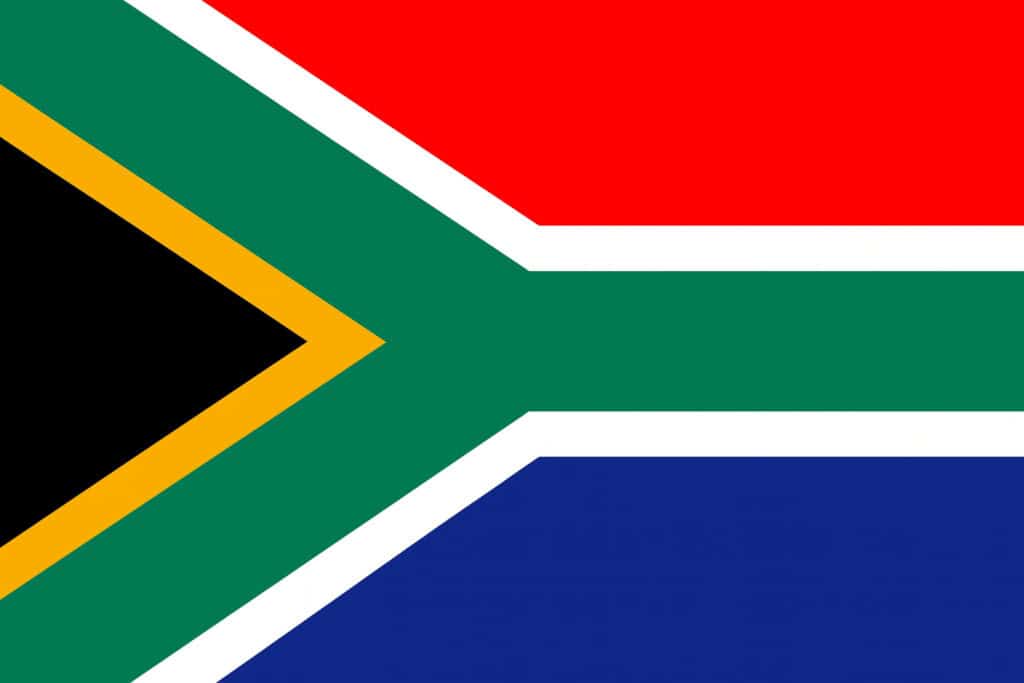
This article forms part of the Betline Licensing and Legal series and looks at how gambling advertising rules are changing internationally and what that could mean for South Africa. It explains the current local position, key risks, and how advertising standards may evolve as the market grows.
South African bettors can use this guide to better understand regulation, licensed betting sites, and the wider policy discussions that may shape the future of online betting locally.