
How to Choose a Safe and Legal South African Betting Site
Betting online in South Africa has never been more accessible. Dozens of platforms compete for new customers, welcome bonuses appear across social media, and signing up takes less than five minutes. That ease of access is part of the appeal, but it also makes it easier to land on the wrong site without realising it. Choosing safe and legal South African betting sites from the outset is the single most effective way to protect yourself, your money, and your personal information.
Table of Contents
Most bettors skip the verification step entirely, drawn in by a flashy promotion or a familiar-sounding name before checking whether the betting site is actually authorised to operate in South Africa. That single oversight can cost you far more than a bad bet. Trusted South African betting sites are easy to identify once you know what to look for, and this guide walks through every step of that process.
This Betline guide covers every aspect of online betting safety in South Africa, from understanding online gambling regulations in South Africa to verifying a licence, spotting scams, reading bonus fine print, and knowing which payment methods are legitimate. It is built around the same principles Betline applies when evaluating and listing operators: licence first, safety always, and full transparency at every step.
What Makes a Betting Site Legal in South Africa
South Africa has a clear and well-established legal framework for online betting. The National Gambling Act of 2004, along with its subsequent amendments and the regulations issued by provincial gambling boards, defines exactly which betting activities are permitted, who may offer them, and under what conditions. Understanding this framework is the starting point for anyone who wants to know how to bet safely online.
A legal South African betting site is one that holds a valid gambling licence issued by a recognised provincial gambling board. These include boards in Gauteng, KwaZulu-Natal, the Western Cape, and seven other provinces, each responsible for licensing and monitoring operators within their jurisdiction. The National Gambling Board provides national coordination and policy direction, but the day-to-day licensing and compliance work sits with the provincial boards.
Operators must meet strict requirements before a licence is granted. These cover financial stability, fair gaming standards, secure payment systems, responsible gambling measures, and ongoing reporting obligations. Once licensed, operators are subject to regular audits, compliance checks, and the possibility of licence suspension or cancellation if standards slip.
This is the foundation of online gambling regulations in South Africa, and it is what separates a properly governed betting market from the unregulated offshore alternatives that frequently target South African bettors. Understanding the law is not just background information. It is the first practical tool you have for protecting yourself, and it is the reason Betline covers only licensed betting sites in South Africa.
Why the Distinction Between Licensed and Unlicensed Sites is Important
Many bettors assume that if a site looks professional and processes deposits without issues, it must be legitimate. That assumption is wrong and it is one of the most common mistakes made in South African online betting. Safe betting sites in South Africa are not simply the ones that look credible. They are the ones that can demonstrate a valid provincial licence.
Unlicensed offshore betting sites operate outside South African law. They are not accountable to any local regulator, they are not required to maintain fair gaming standards, and they are under no legal obligation to pay out winnings. If a dispute arises, there is no provincial gambling board to contact, no formal complaint channel, and no local legal recourse. Your money is simply gone.
The risks of offshore betting sites go beyond individual disputes. These platforms operate outside South African law, offer no local dispute resolution, and carry no obligation to pay out winnings. Any winnings earned on an unlicensed offshore site may be declared unlawful proceeds and forfeited to the State under Section 16 of the National Gambling Act, following a High Court order. South African authorities have taken an increasingly firm position on this, with ongoing enforcement action against illegal offshore betting resulting in over R3 million forfeited to the State in a single year.
The legal and financial exposure for bettors using unlicensed sites is real. Beyond losing deposits and winnings, users risk identity theft, fraudulent card charges, and in some interpretations of the law, personal legal liability for participating in unlicensed gambling. The full picture of why offshore betting sites are risky in the South African context is considerably more serious than most bettors realise.
e solution is straightforward: verify that a betting site holds a valid provincial licence before you deposit a single rand, and use only betting sites that are legal in South Africa.
How to Verify a Betting Site Licence in South Africa
Before using a betting site, check who is licensed to operate it and whether those details appear in official regulatory records. The quickest place to start is the site’s footer or legal pages, where you should be able to find the company behind the brand, its bookmaker licence number and the provincial gambling authority responsible for the licence.
You can then use the NGB Verified Operators Portal to look up the betting brand or the company named on the site. The portal brings licensing information from South Africa’s provincial gambling authorities together in one searchable database.
Do not base the check on a licence number alone. Look at the wider record, including the company name, province, licence type and registered or physical address. If the information does not line up, or you cannot find the company you are looking for, confirm the details directly with the relevant provincial gambling board before depositing money.
Betline also provides a licence verification tool for betting sites that have been independently checked and added to Betline’s records. For a full walkthrough of the official process, see how to use the NGB Verified Operators Portal.
Security Signals to Check on Any Betting Site
A valid gambling licence is necessary but not sufficient on its own. Technical security is equally important for identifying secure betting sites and protecting your money and personal information before you register. Online betting safety depends on both regulatory compliance and technical safeguards working together.
Before creating an account, check the following:
HTTPS encryption. Every legitimate betting site uses HTTPS. Look for the padlock icon in your browser’s address bar. If it is missing or broken, leave the site immediately.
Clear privacy policy and terms of service. A reputable operator publishes full terms and conditions and a privacy policy in plain, accessible language. Vague or missing documentation is a warning sign.
Transparent contact details. Trusted South African betting sites provide a local contact number, a support email address, and in many cases a live chat function. Anonymous or offshore-only contact details are a red flag.
Professional presentation. Poor grammar, broken links, missing images, or a layout that shifts between multiple brand names are common signs of a fraudulent or hastily assembled fake site.
These checks take less than two minutes and can prevent significant financial and personal harm. Betline applies all of these checks as standard before any operator is included in its comparison listings.
Recognising and Avoiding Betting Site Scams in South Africa
South Africa has a significant and growing problem with fake betting site scams, and the tactics used are becoming more sophisticated. Part of knowing how to bet safely online is understanding how these scams operate so you can identify them before any damage is done.
Phishing emails are among the most common tactics. These messages mimic official communication from a real betting site, claiming there is a problem with your account or that you need to verify personal details. Warning signs include generic greetings, poor grammar, and sender addresses that do not match the official domain. Never click links in unsolicited emails. Open a browser and type the site’s URL directly.
Fake login pages are designed to capture your username and password. These sites are built to look identical to the real platform, with only subtle differences in the web address such as extra characters, misspellings, or alternative domain extensions. Always check the full URL before entering any login credentials and confirm the HTTPS padlock is present.
Telephone impersonation involves callers posing as betting site representatives and requesting account or banking details. No legitimate South African operator will ever ask for sensitive information over the phone. Hang up and call the official customer service number listed on the real site.
Fake apps and mirror sites replicate real platforms and are promoted through unofficial social media accounts or third-party links. Only download apps from the official betting site or from verified app store listings. If you cannot find the app through the site’s own download link, do not install it.
Fake prize notifications arrive by SMS, email, or social media claiming you have won a competition or received bonus credit. They typically request personal information or a processing fee to release the prize. Licensed operators do not charge fees to release winnings and will never request sensitive information through unofficial channels.
A broader guide to avoiding online scams in South Africa covers these and other tactics in more depth. The core rule applies in every situation: if something feels off, verify before you share anything.
FICA Verification and What Documents to Expect
One of the most reliable signs that a betting site is operating correctly is a thorough identity verification process. Licensed betting sites in South Africa are required under the Financial Intelligence Centre Act to verify each customer’s identity and residential address before processing withdrawals.
This means you will be asked to submit documents such as a South African ID or passport, proof of address dated within three months, and in some cases a selfie or additional verification step. This process is not optional and it is not an obstacle. It is a legal requirement that protects both the bettor and the integrity of the platform.
Some bettors are put off by FICA verification requirements, viewing them as intrusive or unnecessary. In practice, FICA is one of the strongest protections a bettor has. It ensures that the site is tracking financial activity as required by law, that your identity is secured against fraudulent use, and that any withdrawal dispute can be resolved with a clear paper trail.
A full breakdown of which documents South African betting sites ask for and why is covered separately. The practical takeaway is this: if a betting site allows withdrawals without any identity verification, that is a red flag, not a convenience. It suggests the platform is not operating within the legal framework that governs licensed betting sites in South Africa.
Trusted Payment Methods and the Importance of Currency
Secure betting sites in South Africa process deposits and withdrawals exclusively in South African Rands. They use payment methods that comply with local banking rules and anti-money laundering legislation. These include EFT, instant EFT services such as Ozow, debit and credit cards issued by South African banks, and recognised voucher systems such as 1Voucher and BluVoucher.
If a betting site requests payment in a foreign currency, directs you to an overseas bank account, or accepts only cryptocurrency without a clear licensed basis for doing so, stop immediately. These are strong indicators that the platform is not operating under a valid South African licence and does not fall within the protection of local consumer law. This is one of the most consistently reliable ways to separate trusted South African betting sites from fraudulent or unlicensed offshore betting sites.
Betline recommends reviewing the payments section of any betting site before creating an account. Confirm that South African Rands are the default currency, that at least two or three recognised local payment methods are offered, and that withdrawal procedures are clearly documented. Sites that obscure their payment processes or make withdrawals unnecessarily complicated are not meeting the standards required of licensed betting sites in South Africa.
Responsible Gambling Features as a Licensing Requirement
Safe and legal South African betting sites are not simply those that hold a licence and process payments correctly. They are also sites that actively support responsible gambling, not as a voluntary commitment but as a legal obligation tied directly to their provincial licence.
Licensed operators are required to display responsible gambling notices, provide deposit and session limit tools, offer self-exclusion options, and publish clear links to support services including the National Responsible Gambling Programme and the South African Responsible Gambling Foundation. These features must be easy to find and simple to use. If they are buried, non-functional, or absent entirely, the operator is not meeting its licensing obligations and cannot be considered a safe betting site in South Africa.
Betline treats responsible gambling features as a genuine quality signal when evaluating operators, not a checkbox exercise. A site that makes it difficult to set limits or access support is not a site that deserves a bettor’s trust, regardless of its stated licence status. Before signing up anywhere, locate the responsible gambling section of the site and confirm that the tools and support links are present and accessible.
Reading Bonus Terms Before You Commit
Welcome bonuses and promotional offers are among the most visible features on any betting site, and they are also among the most misunderstood. A generous-looking offer can quickly become a source of frustration if the underlying terms make it functionally impossible to withdraw winnings. This is particularly relevant for bettors new to local betting sites who may not yet know what reasonable bonus conditions look like.
Betline recommends reading the full bonus terms and conditions before accepting any promotional offer. Key conditions to check include wagering requirements, which set the number of times bonus credit must be bet before withdrawal is permitted; time limits, which typically range from seven to fourteen days; and eligible markets, which may restrict which sports or bet types qualify toward meeting the requirement.
A wagering requirement of 10x on a R100 bonus means R1,000 in qualifying bets must be placed before any withdrawal is processed. That is not necessarily unreasonable, but it is very different from the impression a headline bonus figure creates. Understanding the real terms before you claim protects your bankroll and prevents the frustration that comes from discovering restrictions only after you have deposited.
A full overview of betting bonuses available from licensed South African sites covers verified promotional offers from provincially licensed betting sites only.
🎁 Claim Your Welcome Betting Bonus Today
Explore Betline’s tailored list of the best betting bonuses in South Africa. Find a verified local site to play on and start with extra value right now.
View Bonuses & Bet Safely →How to Compare Licensed Betting Sites in South Africa
Once you have confirmed that a betting site is licensed, secure, and operating within the legal framework, the next step is comparison. Not all licensed betting sites in South Africa offer the same experience, and finding a site that matches your specific preferences for sports coverage, payment methods, mobile functionality, and customer support is worth taking the time to do properly.
The Betline method of comparing betting sites is built around a structured set of criteria that goes beyond surface-level features. It covers licence status, product range, payment options, responsible gambling tools, and the quality of customer support, giving a complete picture of how an operator performs across the areas that matter most to a South African bettor.
A full comparison of licensed betting sites in South Africa is available and updated regularly as operator details change. Every site in the comparison has been verified against its stated provincial licence before being included.
Using Reviews and Community Feedback Responsibly
Independent reviews can be a useful signal when assessing local betting sites, but they need to be read critically. Negative reviews are common in online betting, and many of them reflect misunderstandings about bonus terms, FICA requirements, or withdrawal processing times rather than genuine operator failures.
What matters more than the volume of negative comments is how the operator responds. An active, professional response to complaints on social media and review platforms indicates a site that takes its responsibilities seriously. An absence of responses, or defensive and dismissive replies, tells a different story.
Look for consistent patterns across multiple independent sources rather than reacting to isolated comments. Check the operator’s official social media pages for activity levels, response quality, and how recently they have engaged with player queries. Reviews should support your verification process, not replace it. A site with glowing reviews that cannot produce a valid provincial licence is still a site to avoid. Use reviews to confirm that an operator is active and responsive, then verify its licence and payment methods through official channels before making any decision.
A Final Checklist Before You Sign Up
Before creating an account on any South African betting site, run through this list. Safe and legal South African betting sites should satisfy every point. If any of these cannot be confirmed, do not proceed.
- Does the site display a valid provincial gambling licence number in the footer?
- Does the licence number check out against the relevant provincial gambling board’s public register?
- Does the site use HTTPS and display a valid security certificate in the browser address bar?
- Are deposits and withdrawals processed in South African Rands through recognised local payment methods?
- Does the site require FICA verification before processing withdrawals?
- Are responsible gambling tools including deposit limits, session limits, and self-exclusion clearly accessible?
- Are bonus terms including wagering requirements and time limits clearly documented before you claim?
- Does the site provide transparent local contact details and responsive customer support?
There are enough properly licensed, well-run local betting sites available in South Africa that settling for one that raises questions on any of these points is never necessary.
The Bottom Line
Online betting in South Africa is a legitimate, regulated activity when conducted through the right channels. The online gambling regulations in South Africa are clear, the licensing system is functional, and the tools to verify an operator’s status are publicly available. The gap between a safe betting experience and a risky one almost always comes down to whether a bettor takes the time to check before signing up.
Betline’s approach to online betting safety is grounded in a single principle: the licence is the starting point, not the finish line. A valid provincial licence confirms that an operator met the legal threshold to enter the market. What happens after that, in terms of security, responsible gambling, payment integrity, and customer service, requires its own evaluation before any site can genuinely be considered a trusted South African betting site.
Verify licences, read terms carefully, check payment methods, and choose operators that make responsible gambling features easy to access. That combination is what Betline recommends to every bettor in South Africa, from those placing their first wager to those who have been using local betting sites for years.
The goal is a betting experience that is safe, fair, and fully within the protections the law provides. That outcome is entirely achievable. It requires knowing how to verify a betting site, understanding what licensed betting sites in South Africa are obligated to provide, and taking a few minutes to confirm the basics before you deposit. Those minutes are well spent.
Legal South African Betting Sites












How to Choose a Safe and Legal South African Betting Site FAQs
Clear answers about what makes a betting site legal in South Africa, how to verify a licence, payment methods, FICA checks, and responsible gambling tools.
What makes a betting site legal in South Africa?
How do I verify a betting site licence in South Africa?
What is the risk of betting on an unlicensed offshore site?
What documents will a licensed South African betting site ask for?
What payment methods do legal South African betting sites use?
How do I spot a fake betting site or scam?
Are bonus offers on licensed betting sites safe to claim?
What responsible gambling tools must licensed operators provide?
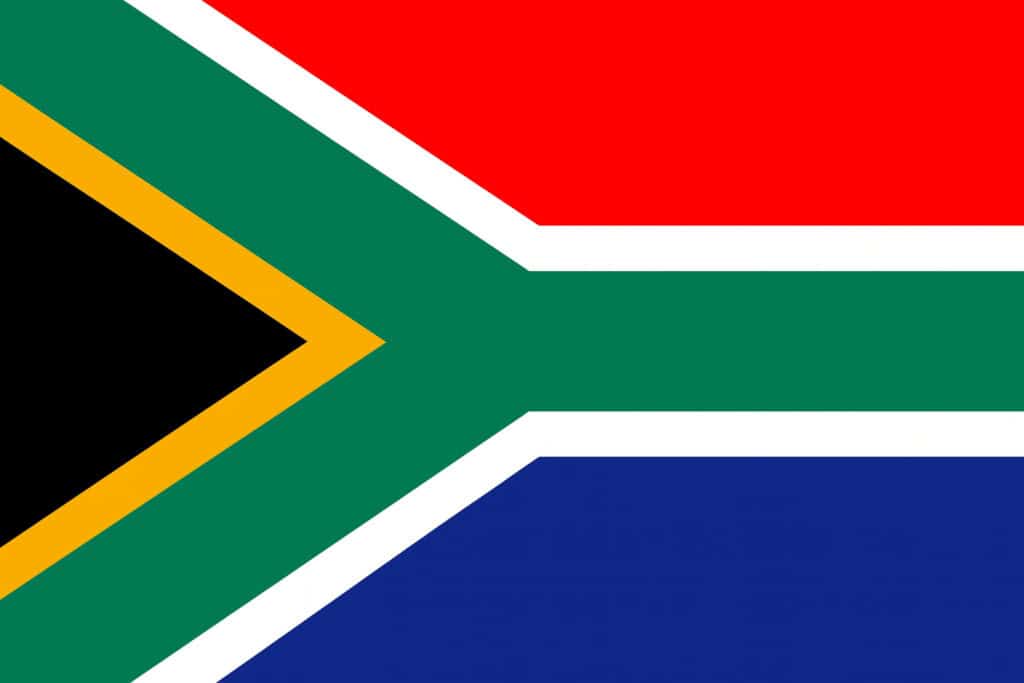
South African bettors can use this guide to better understand how to identify and verify legal South African betting sites, including how provincial licences work, what the NGB verified operators portal confirms, how to spot unlicensed offshore platforms, and the key checks that protect your money and personal information.
Understanding these details can help bettors make informed decisions when choosing from licensed South African betting sites.